
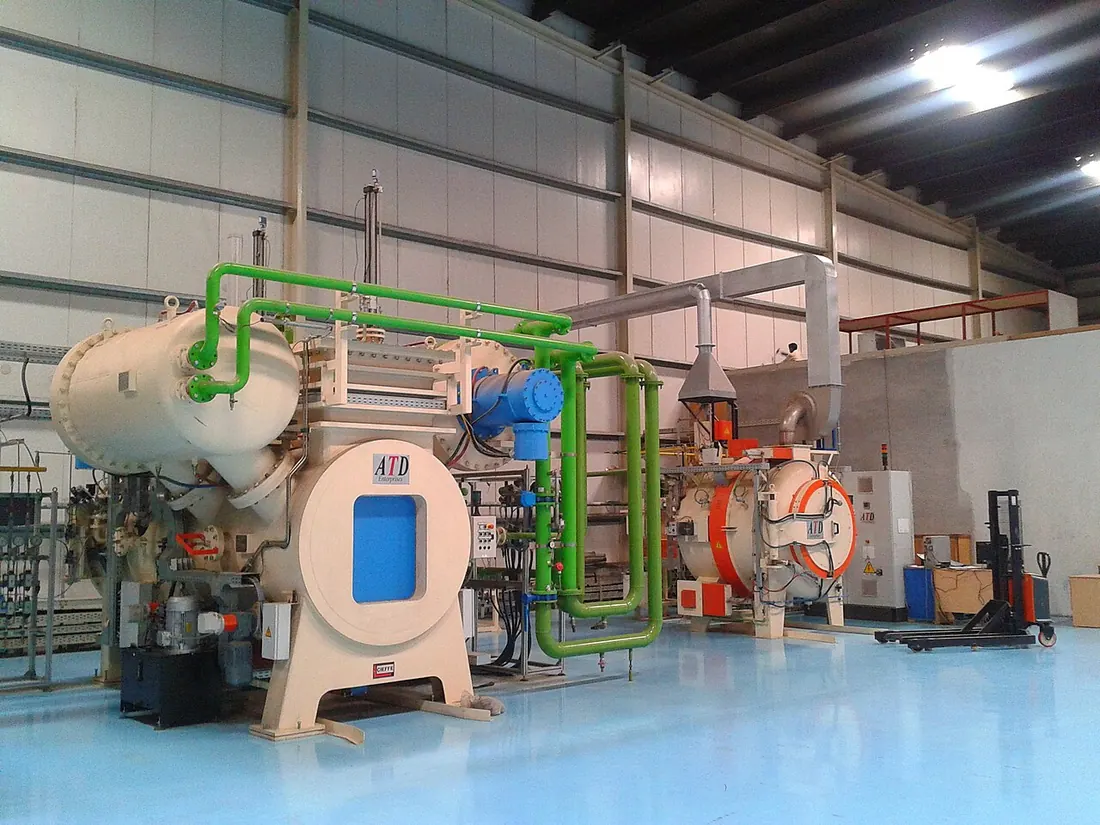

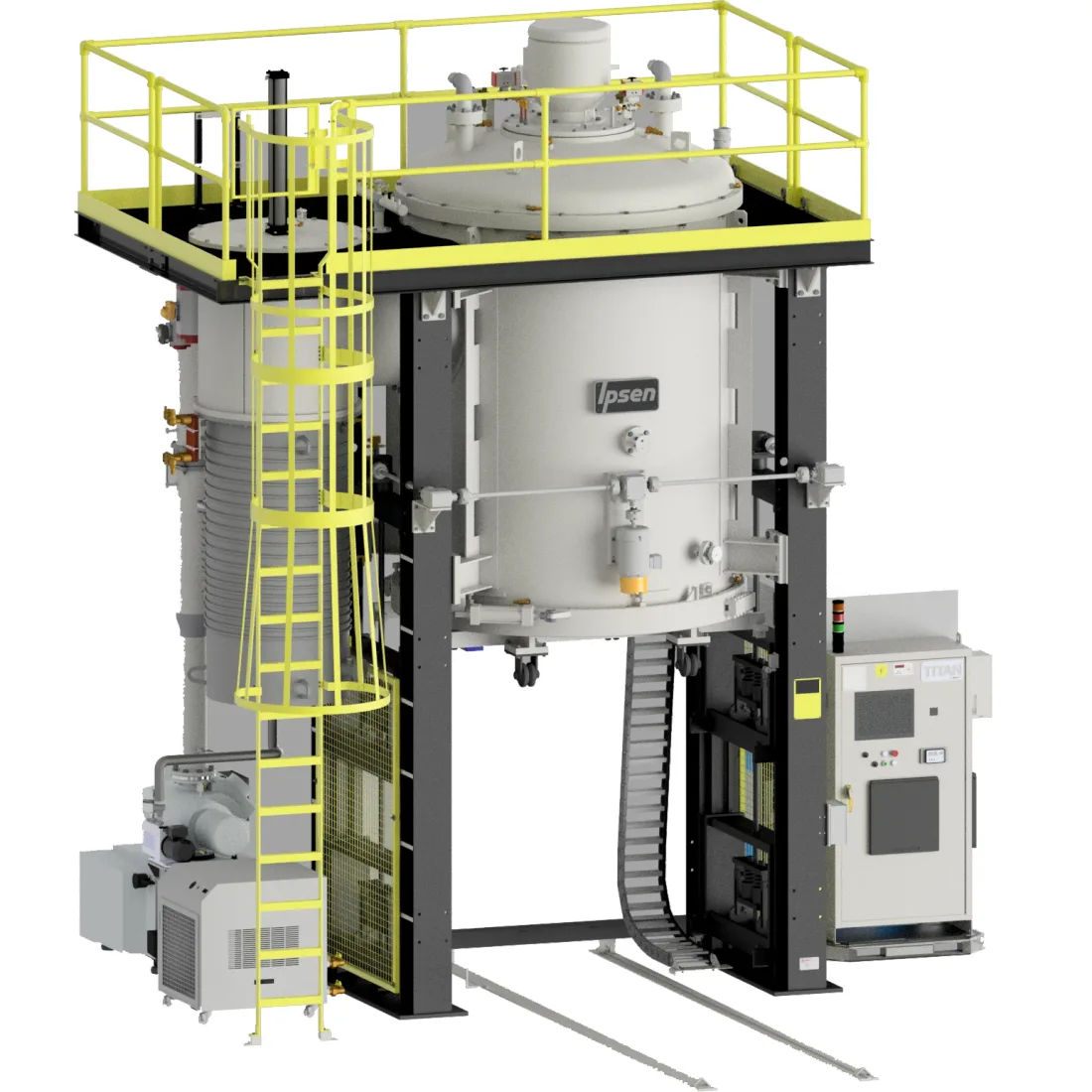
What it does
Treats material with controlled temperature, time and cooling to change its structure or properties rather than its shape.
How it works
Heating elements or burners supply heat to the load, and temperature measurement and control run the ramp and soak; then the load cools slowly, gas cools or goes to quench as the process requires. Annealing, hardening, tempering and ageing have different aims, and furnace atmosphere and load arrangement also affect the result.
Process sequence
- Confirm material and process aim
- Arrange the load and thermocouples
- Heat per program
- Soak
- Cool or transfer to quench per process
- Test hardness, structure and dimensions
Key inputs
- Material grade and initial condition
- Target structure and properties
- Load density and part temperature
- Furnace atmosphere and cooling method
Common problems
- Furnace and part temperature not matching
- Load blocking heat transfer
- Oxidation and decarburization affecting the surface
- Cooling and fixturing causing distortion
Limits of application
- One furnace does not perform every heat treatment unconditionally
- Furnace temperature readings cannot replace process validation on parts
- Heat treatment is different from melting
Functional modules
Furnace body and heating
Form the treatment zone
Temperature measurement and control
Run the time-temperature program
Load fixtures
Hold parts and allow heat transfer
Atmosphere and cooling
Control surface reactions and cooling by material
Manufacturer & technical sources
Continue with manufacturer product pages, operating principles and technical information for this equipment type.