
EQUIPMENT / PRINCIPLE / DESIGN

Gravity die casting machine

Opens and closes a reusable metal mould and lets molten metal fill it by gravity.

Equipment principle & structureRequest design help ↗
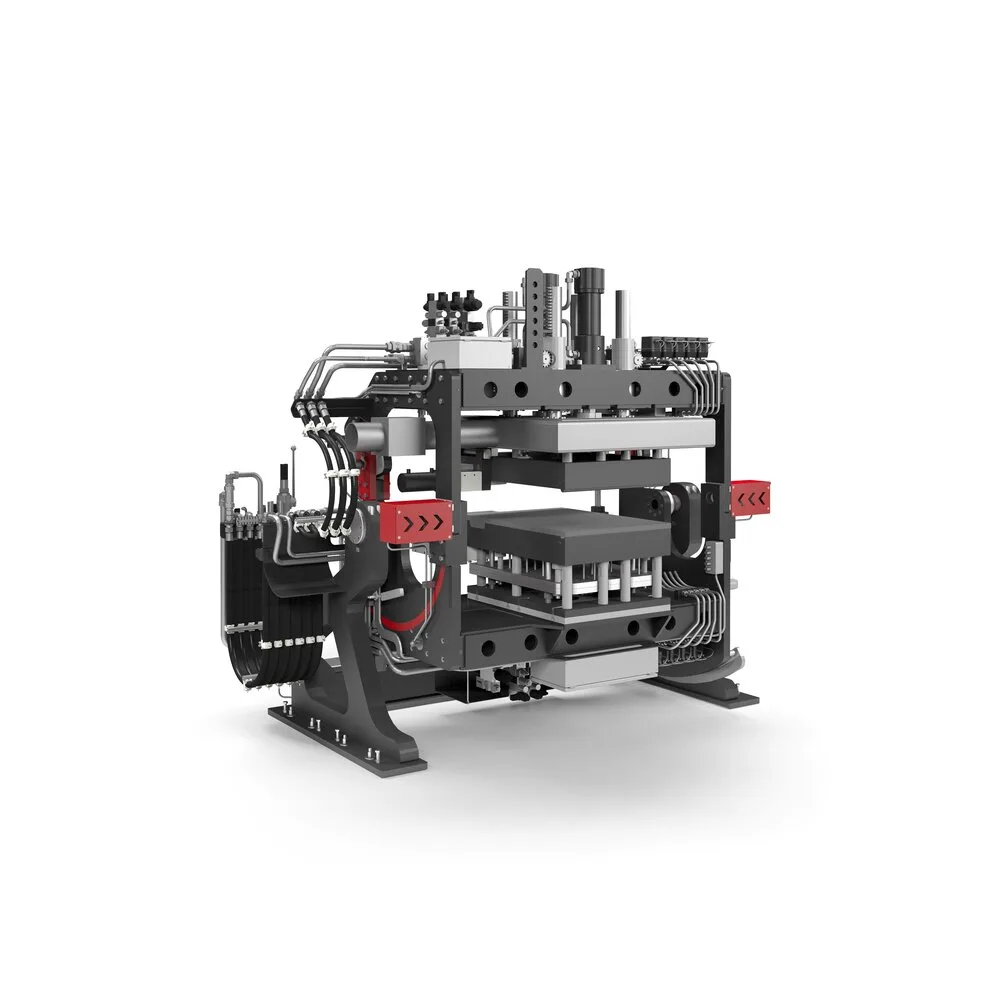
Fill TILTCASTER S gravity tilt-pour casting machine, die closed (maker rendering)
Fill TILTCASTER S gravity tilt-pour casting machine, die closed (maker rendering) · Source: Fill website ↗ · © the manufacturer, quoted for reference · Resized proportionally and converted to WebP
Gravity die casting machine · original schematic, not to scale; shows the working principle and modules
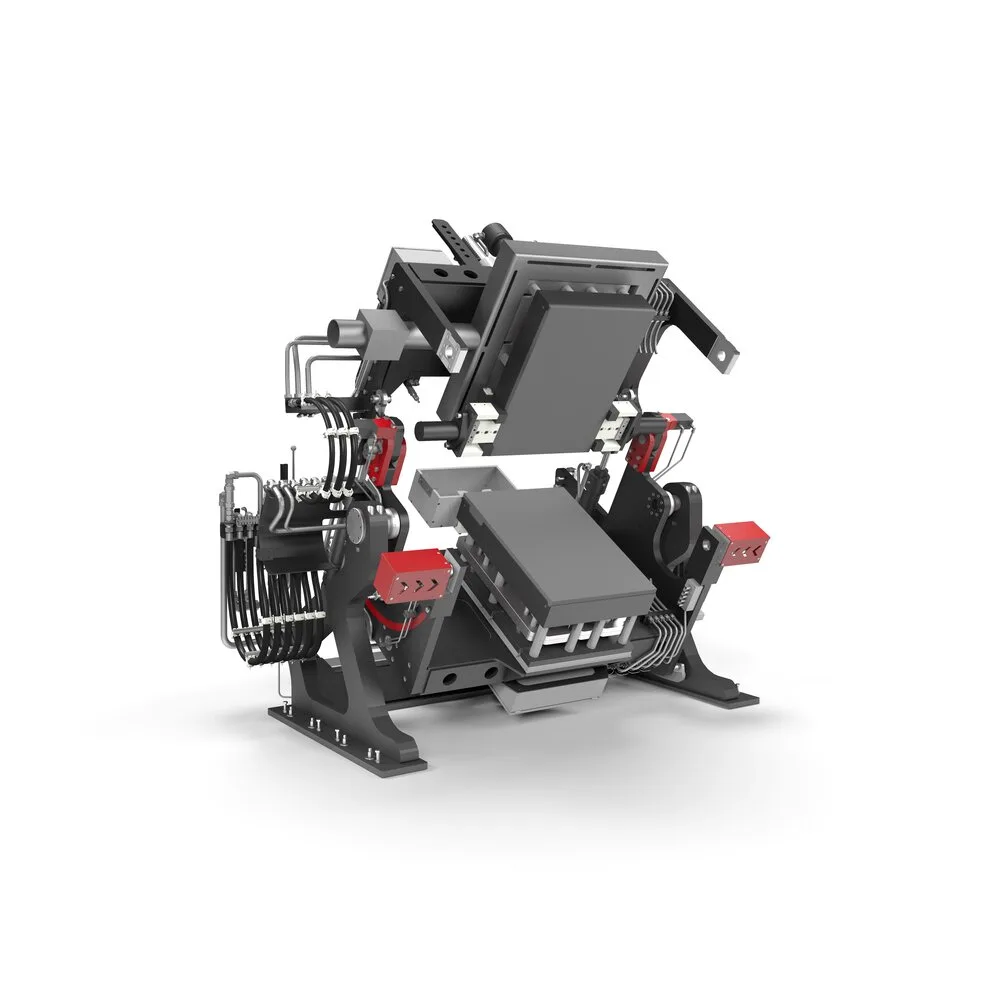
The same machine with the die opened like a book (maker rendering)
The same machine with the die opened like a book (maker rendering) · Source: Fill website ↗ · © the manufacturer, quoted for reference · Resized proportionally and converted to WebP
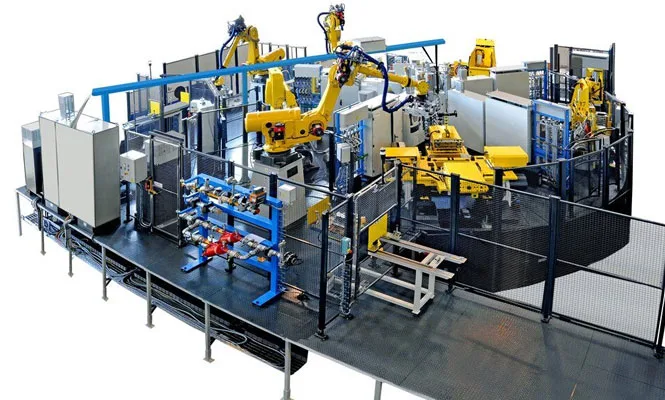
ItalPresseGauss gravity casting cell with multiple stations on a turntable
ItalPresseGauss gravity casting cell with multiple stations on a turntable · Source: ItalPresseGauss website ↗ · © the manufacturer, quoted for reference · Resized proportionally and converted to WebP

What it does

Opens and closes a reusable metal mould and lets molten metal fill it by gravity.

How it works

The mould is prepared, preheated and coated, any cores are placed, and it closes; metal flows through the runner into the cavity and solidifies as the metal mould and cooling remove heat, then the mould opens for removal. Tilt-pour machines organize filling through mould attitude and tilting speed.

Process sequence

  1. Prepare, preheat and coat the mould
  2. Place cores and close
  3. Pour by gravity or tilt-fill
  4. Cool and solidify
  5. Open, pull cores and remove
  6. Clean and inspect

Key inputs

  1. Alloy and geometry
  2. Gating, risers and venting
  3. Mould coating and thermal balance
  4. Core withdrawal and release space

Common problems

  1. Unstable filling entraining oxides
  2. Wrong heat removal causing cold shuts or shrinkage
  3. Coating changes affecting heat flow
  4. Early removal causing distortion

Limits of application

  1. Gravity permanent mould casting differs from pressure injection
  2. Semi-permanent moulds with sand cores still need core removal
  3. The metal mould is reusable, not necessarily every internal core

Functional modules

Metal mould and opening mechanism

Form the cavity and release the casting

Pouring and optional tilting

Control gravity filling

Cores and core pulls

Form internal and side features

Temperature control and coating

Affect heat transfer and release

Manufacturer & technical sources

Continue with manufacturer product pages, operating principles and technical information for this equipment type.

ONLY ON MECHWIKI / AGGREGATED

Aggregated references: models, makers, patents & videos

References scattered across model articles, vendor sites and patent databases, gathered under this machine. Checked items are listed; the rest are offered as ready-to-open searches.

Patents: how others built it

Patents are useful for drawings and mechanism ideas. None has been vetted for this entry yet, so here are searches pre-filled with the machine name.

Videos: see it run

No licensed video is hosted for this machine yet; these searches are pre-filled with its name.

3D MODELS

3D models and download information

Explore structure and assembly with models. Download methods, file formats and terms are provided by the original article or mini program.

Find more in the model library →