

What it does
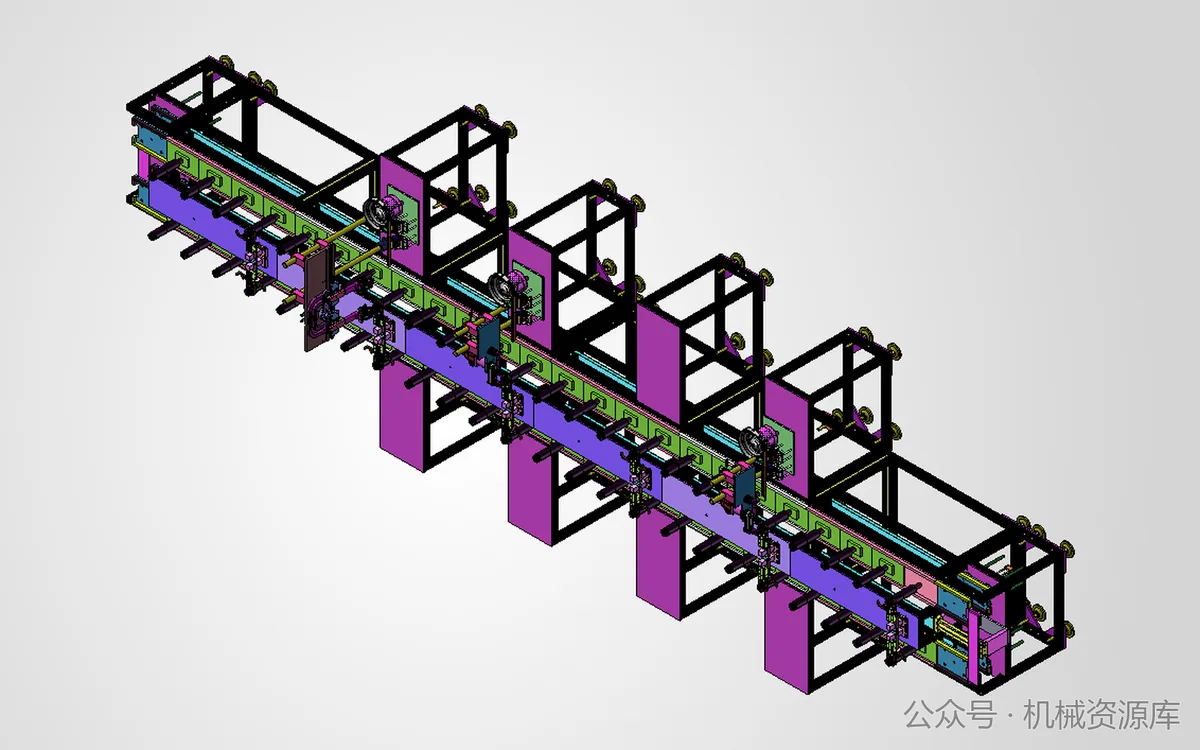
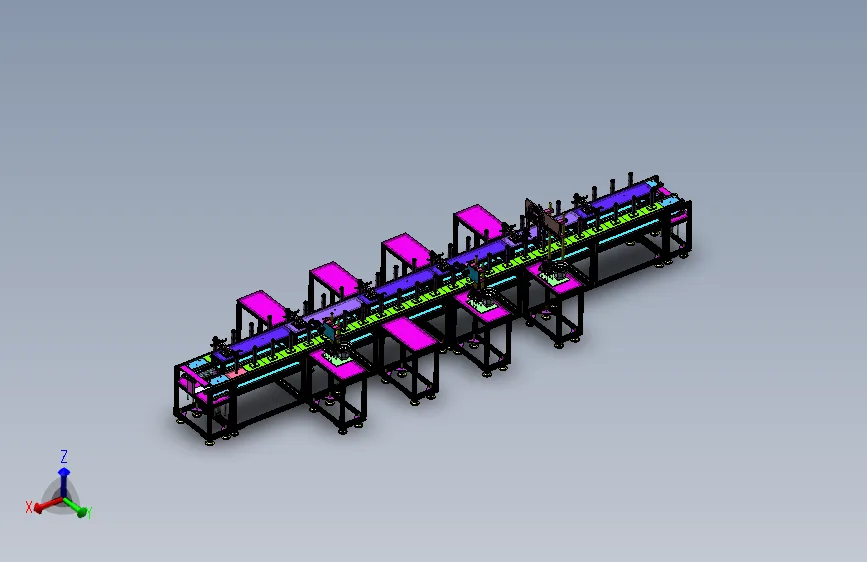
Assembles the rod, guide and seal components of gas springs, then links to tube insertion, closing and the specified charge testing.
How it works
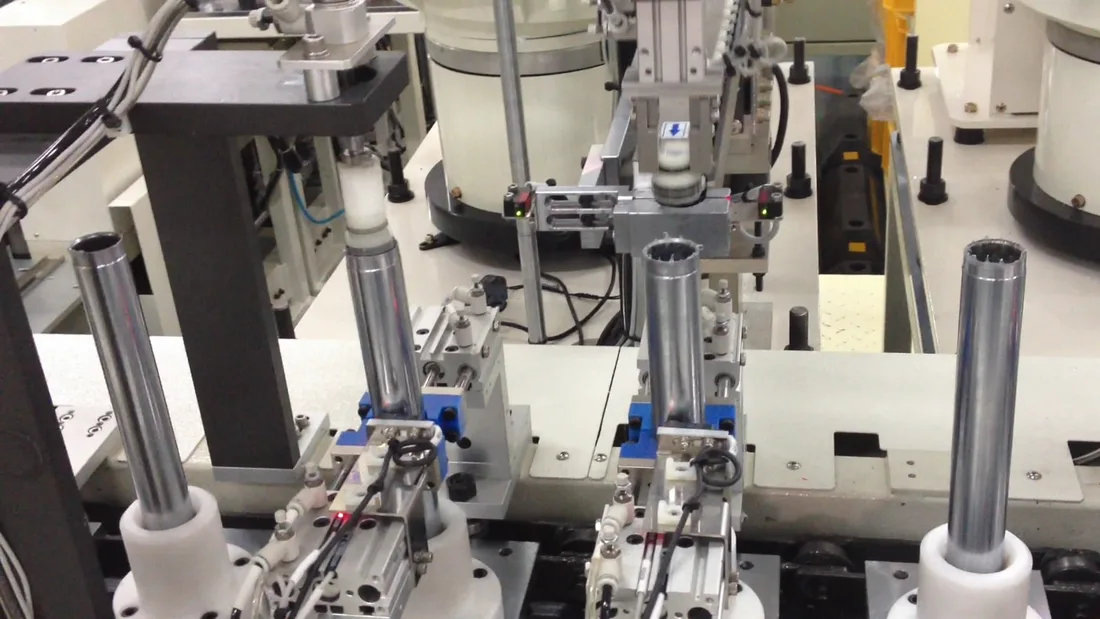
Taking the guide bush and seal section as an example, a contoured block locates the piston rod and a press head pushes the guide bush along the rod axis to the set position; an indexing fixture holds the rod, an expanding pick head takes an O-ring and moves it to the rod end, and an outer plate pushes it into the target groove. Later steps insert the rod into the tube and close it according to the design.
Process sequence
- Locate rod and guide bush
- Press axially
- Clamp into the indexing fixture
- Pick and expand the seal
- Push into place and recheck
- Hand to tube insertion, closing and specified tests
Key inputs
- Rod diameter, groove position and guide bush
- Seal material, orientation and expansion
- Lubrication, cleanliness and charging specification
Common problems
- Pressing scratching the rod
- Seal rolled or twisted
- Tilted guide bush, seals cut during tube insertion and gas leaks
Limits of application
- Making gas springs differs from fitting finished ones to robot joints
- Guide bush assembly does not mean charging is done; gas and pressure follow each product's process
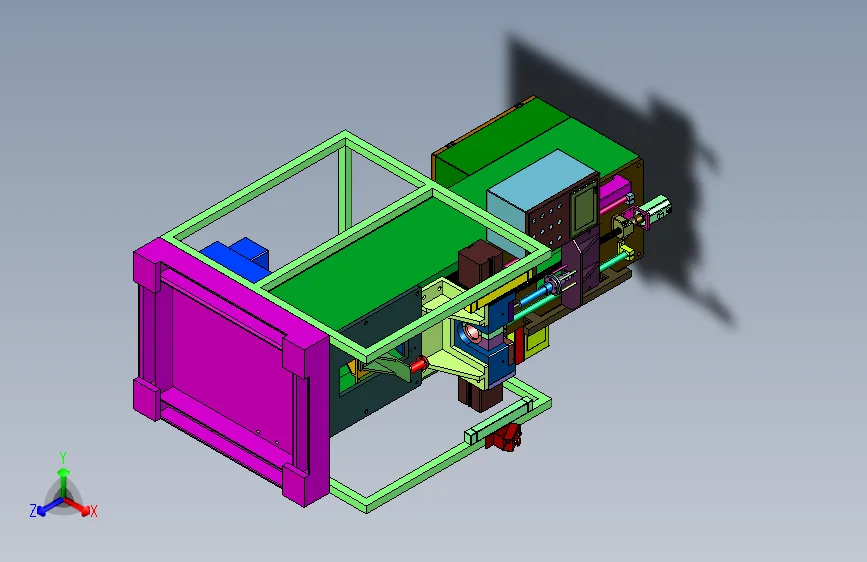
Functional modules
Rod bush pressing
Keeps coaxial and clears the rod end
Seal feeding
Separates seals one at a time
Expanding fitting
Spreads evenly and pushes in
Closing and test interface
Connects to tube insertion and later steps
Manufacturer & technical sources
Continue with manufacturer product pages, operating principles and technical information for this equipment type.