
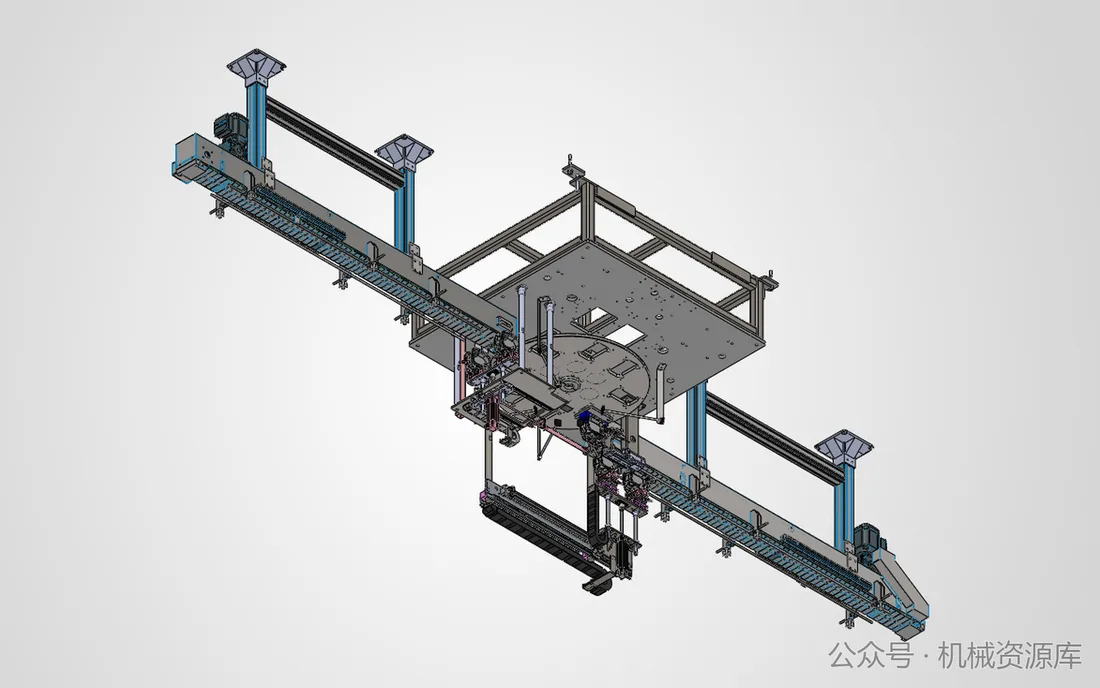

What it does
Fits the rocker arm onto the vertical shaft of a gas meter movement while keeping diaphragm and shaft phase, then checks the assembly.
How it works
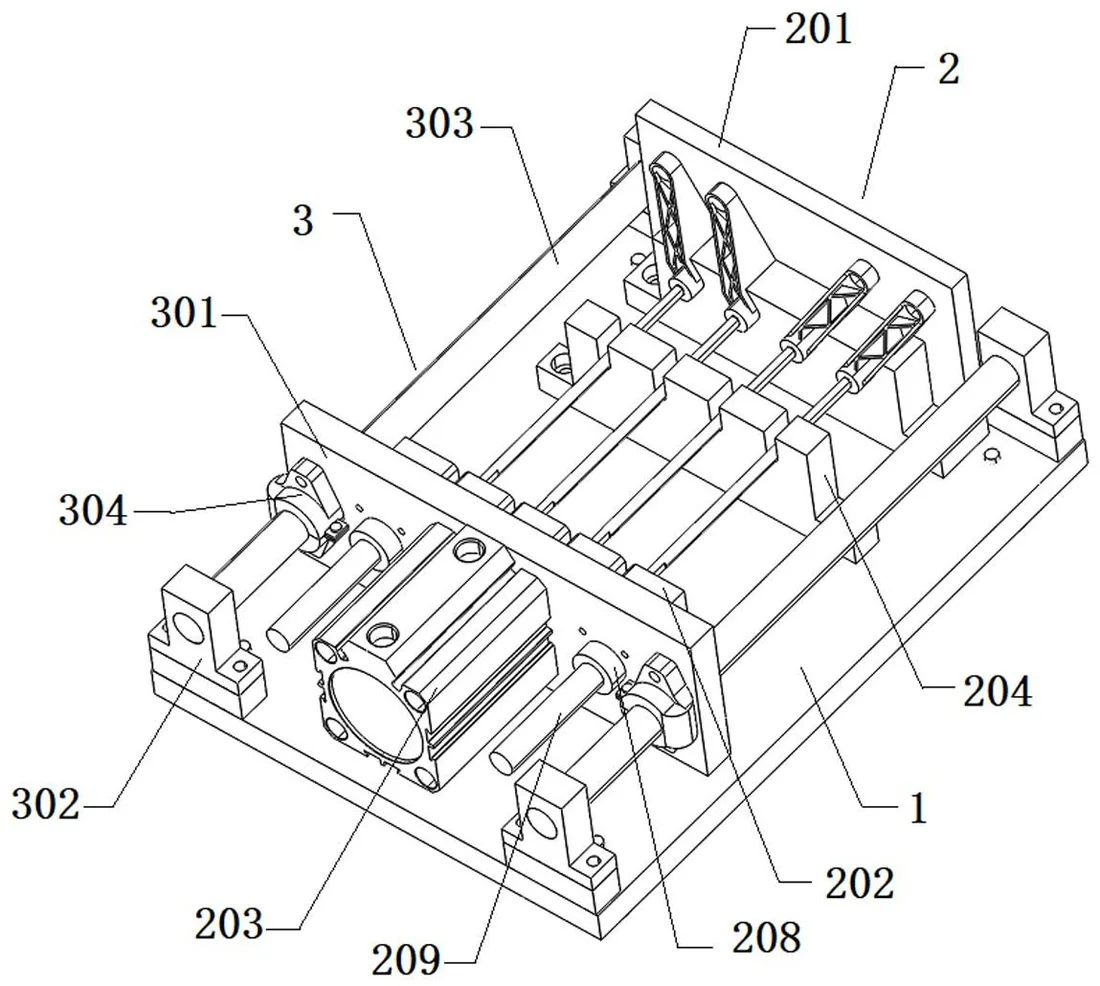
In a diaphragm gas meter movement, the diaphragm, vertical shaft and rocker arm have a set angular relationship. In the design where a motor locks the shaft, phase is located and fixed first, then a fixture supports the rocker arm during staking so pressing does not turn the shaft; the rocker is then checked for cracks and omission.
Process sequence
- Stop and identify the movement
- Feed and locate the rocker
- Set and lock shaft phase
- Stake with fixture support
- Check rocker status
- Unlock and remove
Key inputs
- Movement and rocker models
- Initial diaphragm position and shaft angle
- Staking depth, holding stiffness and finished-part checks
Common problems
- Shaft turning during staking and shifting phase
- Cracked or missing rocker
- Fixture locating error drifting the assembly relationship
Limits of application
- Motor phase locking is one published implementation and does not represent all gas meter movements
- A good press joint is not the same as passing metering and gas-tightness verification of the complete meter
Functional modules
Movement locating
Sets movement and shaft datums
Rocker feeding
Prepares rocker arm and fixture by orientation
Phase locking
Holds shaft and diaphragm position
Guided staking
Makes the joint and checks status
Manufacturer & technical sources
Continue with manufacturer product pages, operating principles and technical information for this equipment type.