
What it does
Uses horizontal and vertical motion to move several parts together to the next set of equally spaced stations.
How it works
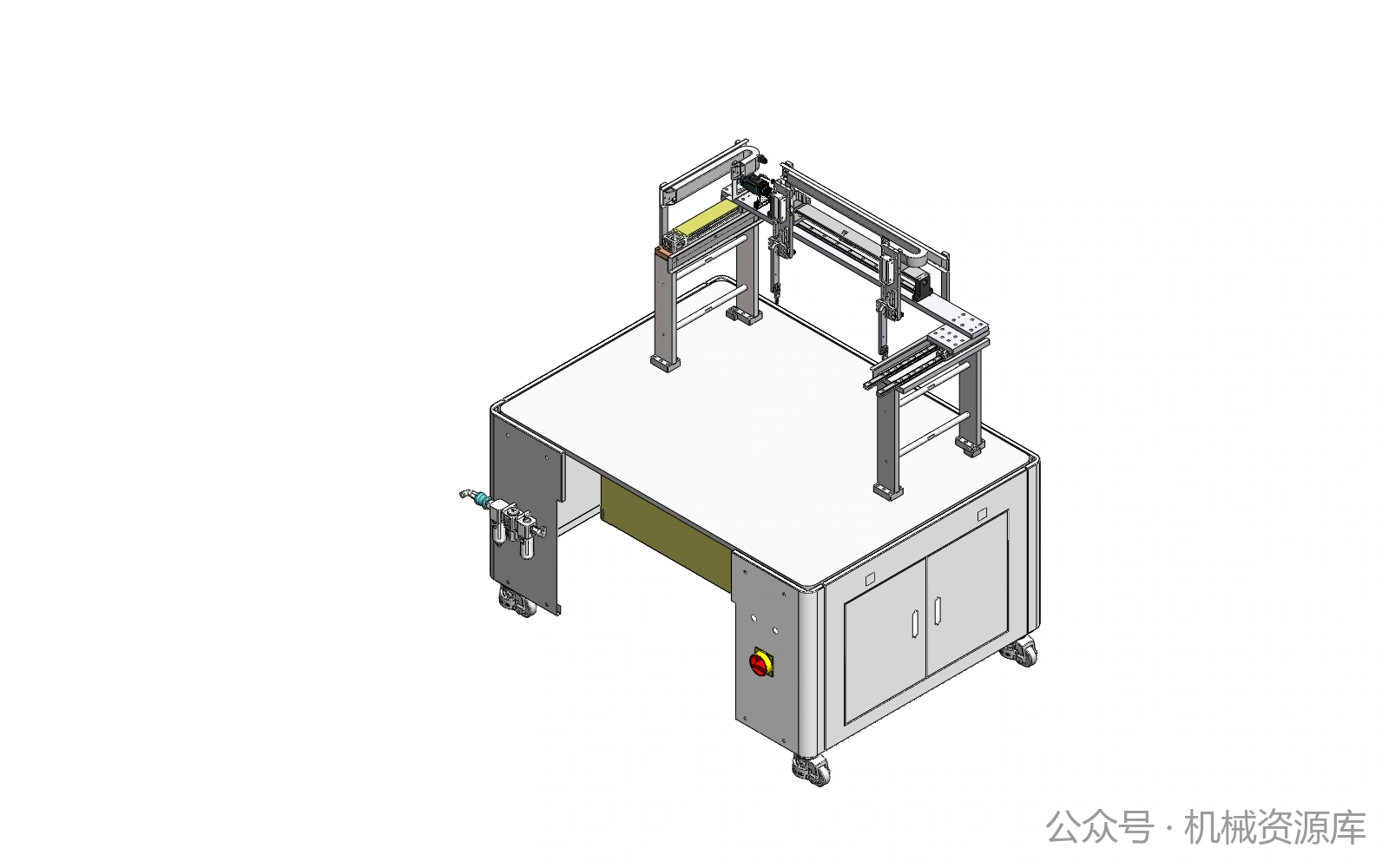
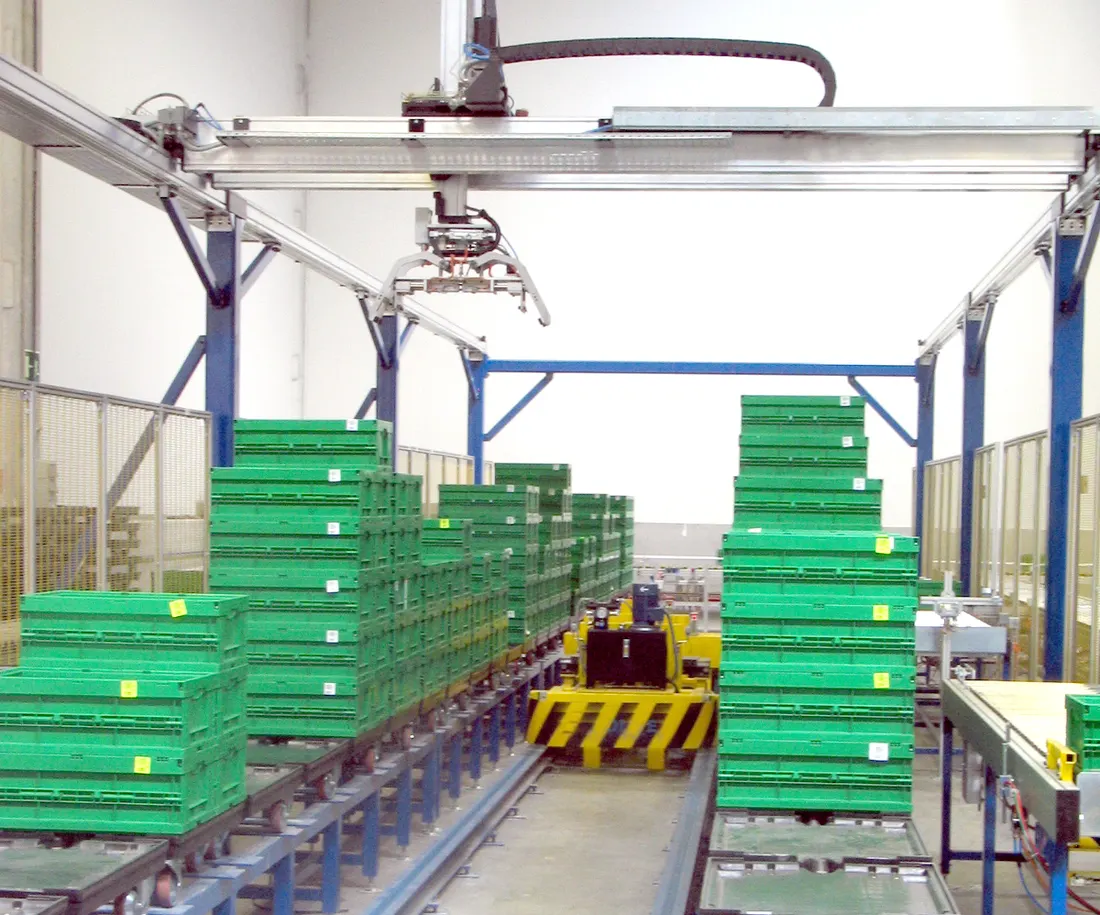
A horizontal slide carries a lifting pick beam whose pick points or nests are spaced at the station pitch. Parts at adjacent stations are lifted, the whole beam moves one pitch, lowers to hand them to fixed supports, then clears and returns; because spacing is constant, grippers need not change pitch during the move.
Process sequence
- Confirm every station can hand over
- Lift all together
- Traverse one pitch
- Lower and hand over
- Clear the beam and return
- Start the next cycle
Key inputs
- Station pitch, part envelope and weight distribution
- Lift height and traverse stroke
- Station-complete signals, missing parts and collision clearance
Common problems
- Accumulated pitch error
- Lifting before a station has released
- Beam deflection, debris and wrong empty-station logic
Limits of application
- Fixed-pitch transfer differs from variable-pitch grippers
- If upstream and downstream pitch differ, add pitch changing or an intermediate transfer instead of adjusting one fixed step
Functional modules
Horizontal drive
Shifts by a fixed pitch
Lift drive
Raises and lowers parts
Multi-point pick beam
Keeps relative spacing between stations
Station supports
Receive and locate each part
Manufacturer & technical sources
Continue with manufacturer product pages, operating principles and technical information for this equipment type.