
EQUIPMENT / PRINCIPLE / DESIGN

Flow-drill screw station

Joins suitable thin sheet or multi-material stacks with flow drill screws by friction penetration, chipless thread forming and final tightening.

Equipment principle & structureRequest design help ↗
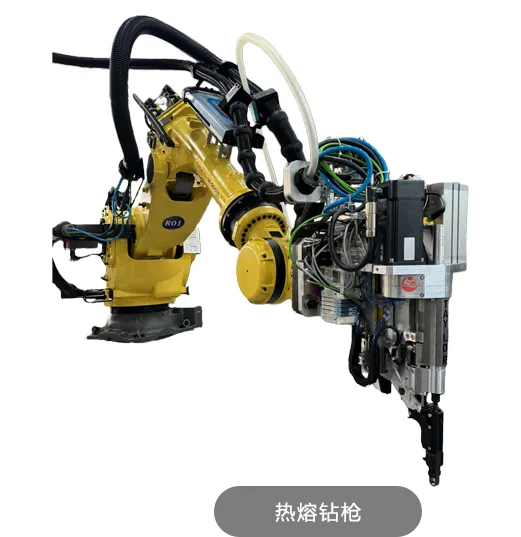
Flow-drill screwing gun on the end of a six-axis robot
Flow-drill screwing gun on the end of a six-axis robot · Source: Shanghai Taylor website ↗ · © the manufacturer, quoted for reference · Resized proportionally and converted to WebP
Flow-drill screw station · original schematic, not to scale; shows the working principle and modules
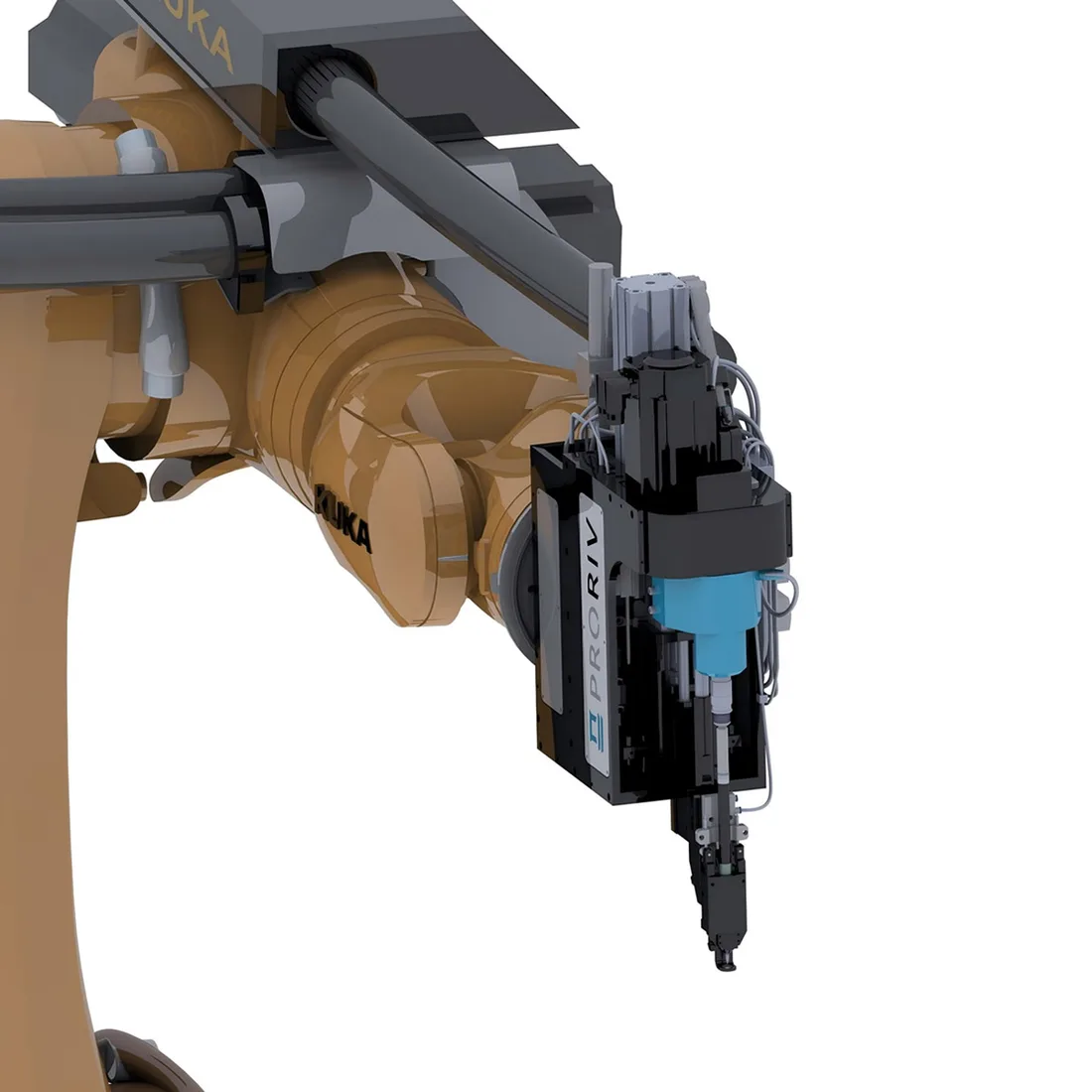
FDS screwing head: screw feed on top, hold-down sleeve and outlet below
FDS screwing head: screw feed on top, hold-down sleeve and outlet below · Source: Swansea website ↗ · © the manufacturer, quoted for reference · Resized proportionally and converted to WebP
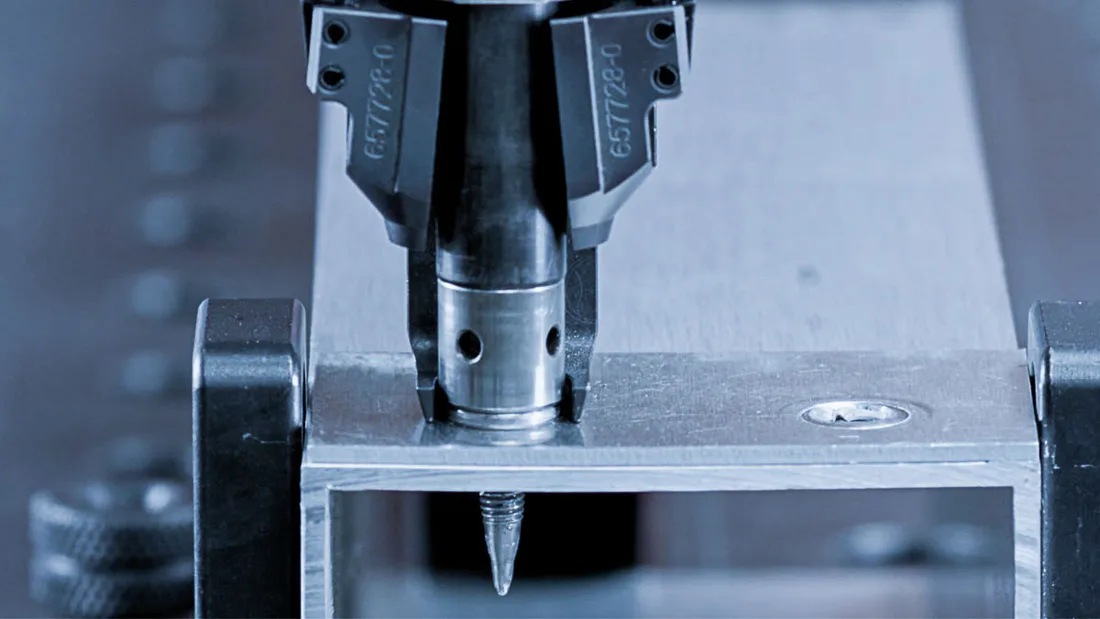
WEBER RSF rotating fastener penetrating a sheet-metal joint
WEBER RSF rotating fastener penetrating a sheet-metal joint · Source: WEBER website ↗ · © the manufacturer, quoted for reference · Resized proportionally and converted to WebP

What it does

Joins suitable thin sheet or multi-material stacks with flow drill screws by friction penetration, chipless thread forming and final tightening.

How it works

The screw is first located on the clamped material, and high speed with axial force generates frictional heat that softens the contact zone so the screw penetrates. Speed and thrust are then adjusted to form an internal thread by extrusion, and the screw is finally tightened to requirement.

Process sequence

  1. Locate the screw and clamp the stack
  2. Spin fast to soften and penetrate
  3. Change motion to form the thread
  4. Final tightening
  5. Store the process result

Key inputs

  1. Stack materials, thicknesses and order
  2. Screw geometry, coating and joint access
  3. Axial support, speed and torque control, and adhesive layers

Common problems

  1. Difficult penetration or material tearing
  2. Insufficient formed thread
  3. Sheet separation, stripped threads or abnormal final tightening

Limits of application

  1. Flow drill forming differs from cutting drills and ordinary self-tapping
  2. Whether no pilot hole is needed must be verified for each material combination

Functional modules

Screw feeding

Delivers flow drill fasteners to the axis

Rotating spindle

Runs drilling, forming and tightening speeds

Axial feed

Controls contact and penetration force

Clamping and control

Hold the stack and manage each process phase

Manufacturer & technical sources

Continue with manufacturer product pages, operating principles and technical information for this equipment type.

ONLY ON MECHWIKI / AGGREGATED

Aggregated references: models, makers, patents & videos

References scattered across model articles, vendor sites and patent databases, gathered under this machine. Checked items are listed; the rest are offered as ready-to-open searches.

Patents: how others built it

Patents are useful for drawings and mechanism ideas. None has been vetted for this entry yet, so here are searches pre-filled with the machine name.

Videos: see it run

No licensed video is hosted for this machine yet; these searches are pre-filled with its name.

3D MODELS

3D models and download information

Explore structure and assembly with models. Download methods, file formats and terms are provided by the original article or mini program.

Find more in the model library →