
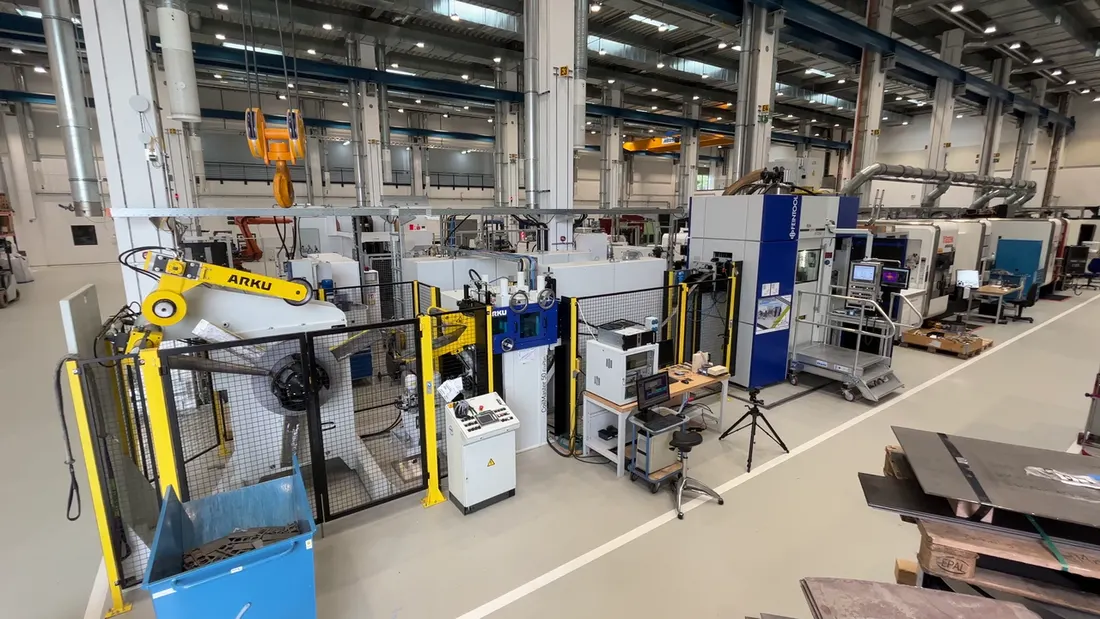

What it does
Combines blanking, blankholder and counter forces to improve the integrity of the sheared edge.
How it works
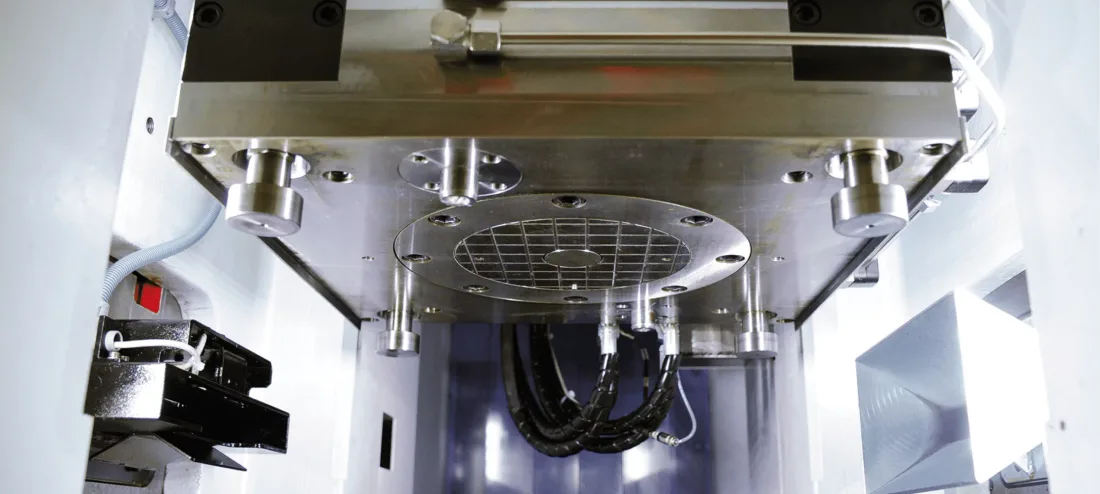
The blankholder and V-ring restrain the material before cutting, the main force drives punch and die to separate the sheet, and the counter force supports the part from the opposite side. With the fine blanking die and small clearance, the three forces keep the shear zone better restrained; simply adding tonnage to an ordinary press does not substitute for this.
Process sequence
- Feed and locate
- Build blankholder and counter force restraint
- Shear with the main force
- Return under control and release forces
- Strip and remove the part
- Check edge and flatness
Key inputs
- Material and thickness
- Outline and shear length
- The three forces and die clearance
- Lubrication, ejection and edge requirements
Common problems
- Wrong restraint or counter force leaving fracture zones
- Worn clearance changing the edge
- Feed deviation
- Ejection collisions affecting flatness
Limits of application
- Fine blanking can give a largely clean sheared edge, but quality is still limited by material and die
- V-ring and similar configurations follow the process
- It does not promise that no part needs deburring or further machining
Functional modules
Main blanking system
Provides force to separate material
Blankholder and V-ring system
Restrain flow around the shear line
Counter force system
Supports the part and helps eject it
Fine blanking die and feed
Keep clearance and position
Manufacturer & technical sources
Continue with manufacturer product pages, operating principles and technical information for this equipment type.