
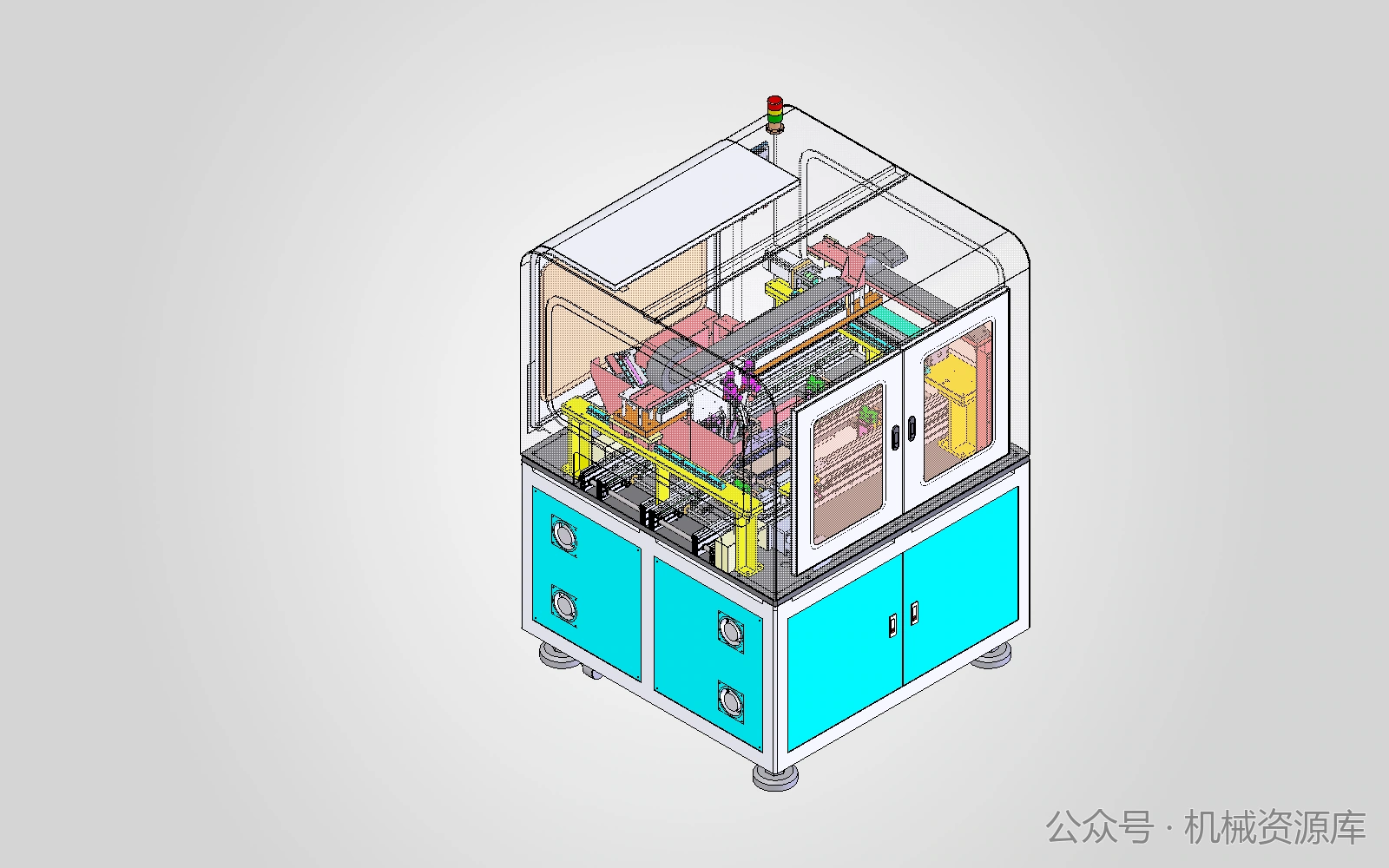

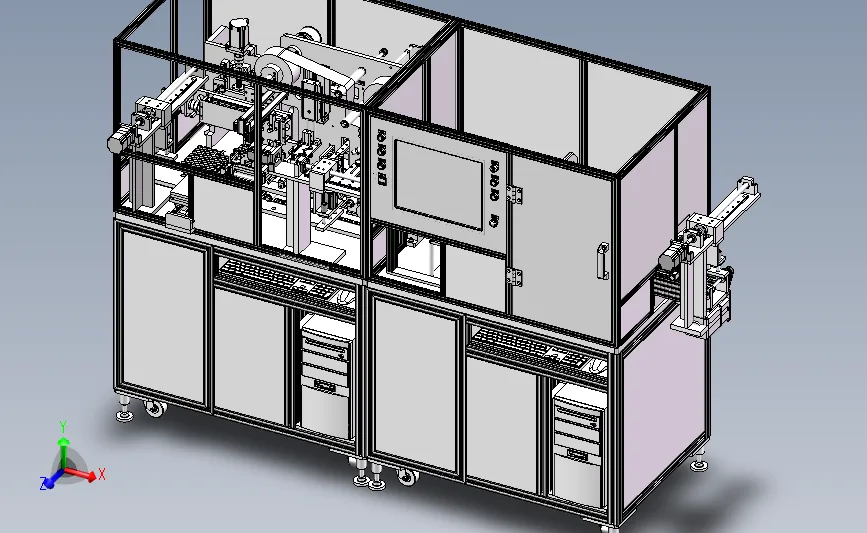
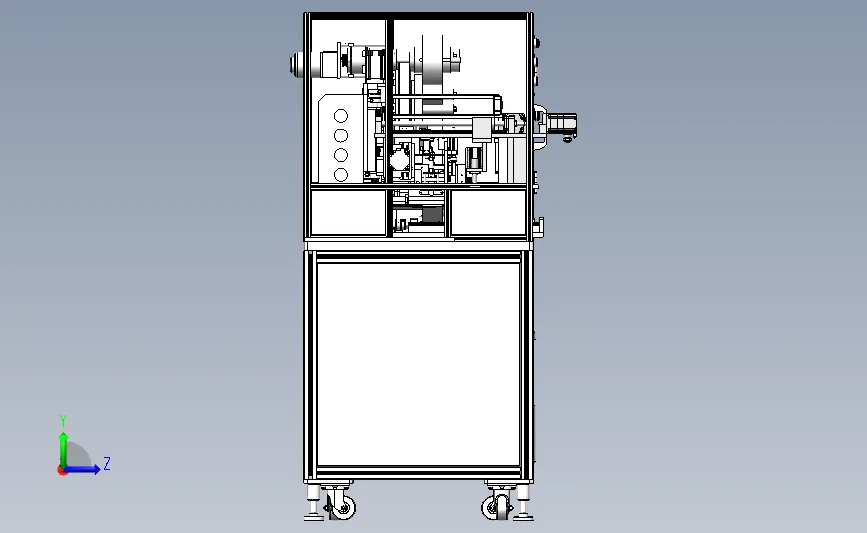
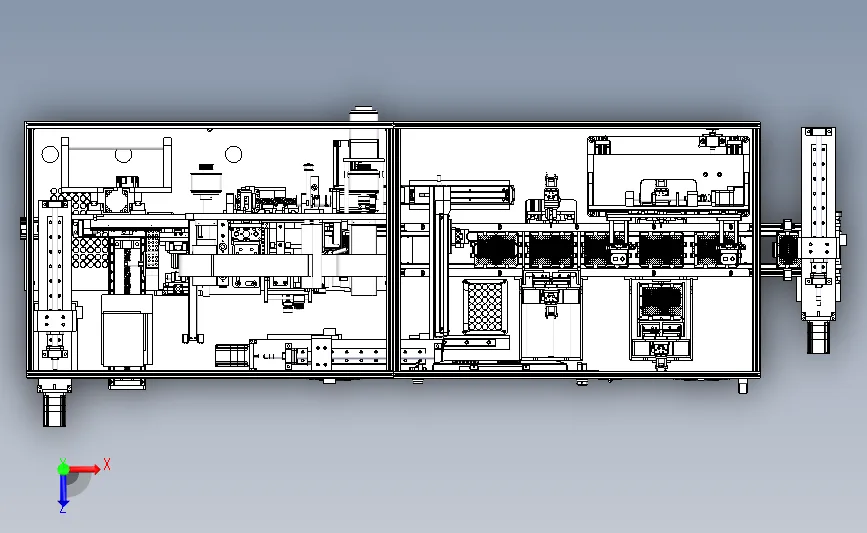
What it does
Removes a specified protective or release film from the part, exposing the target surface for later lamination, assembly or inspection.
How it works
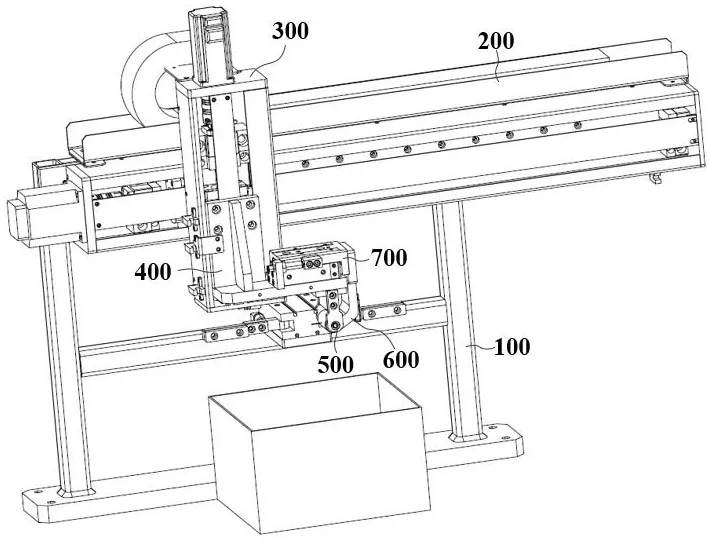
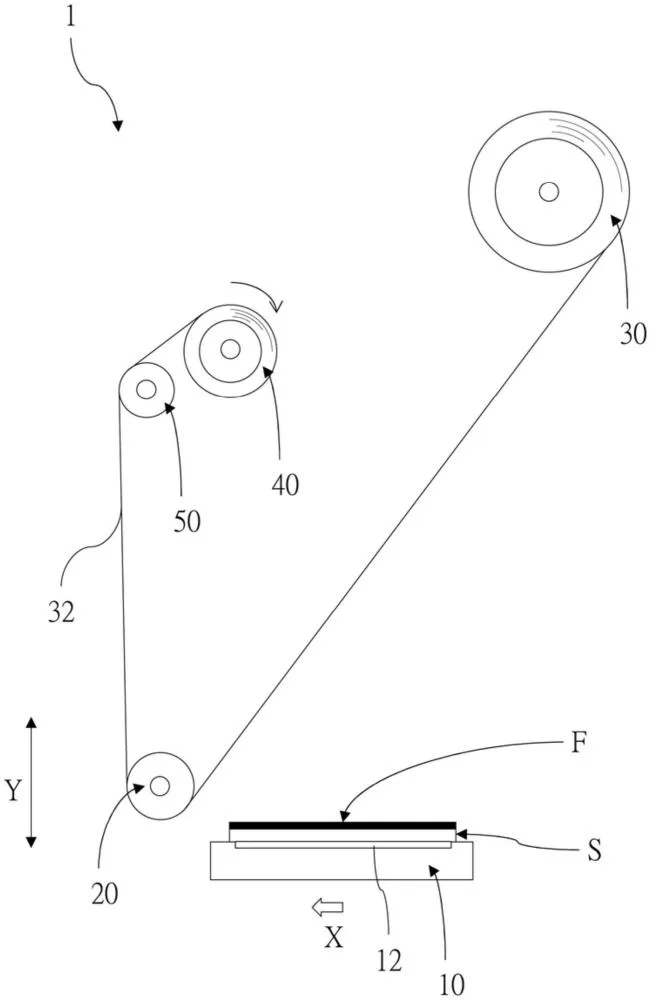
The lifting mechanism first grips or sticks to the film tab, then peels in a controlled direction while the part is supported and held; the tab gripper and motion axes work together to keep peel angle and path, and film goes to the collection area. The substrate and any adhesive layer that must stay are protected throughout.
Process sequence
- Locate the part
- Confirm the peelable layer
- Lift and grip the film
- Peel under control
- Remove the waste film
- Check for residual film and surface
Key inputs
- Film material, adhesion and lifting edge
- Substrate stiffness and adhesive layers to keep
- Peel speed and angle, static and collection path
Common problems
- Film tab not gripped
- Substrate lifted
- Adhesive residue, broken film or waste film sticking back
Limits of application
- Protective films, release liners and functional adhesive layers must not be confused
- Multilayer stacks need defined layer-by-layer recognition and peel end points
Functional modules
Part support
Resists peel reaction force
Film lifting head
Secures a reliable grip on the film tab
Peel motion
Controls direction and angle
Waste film collection
Keeps film from sticking back to parts
Manufacturer & technical sources
Continue with manufacturer product pages, operating principles and technical information for this equipment type.