
What it does
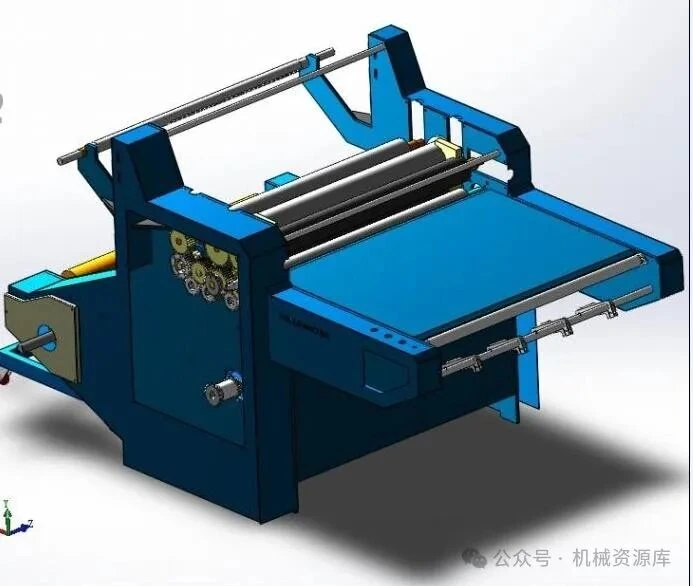
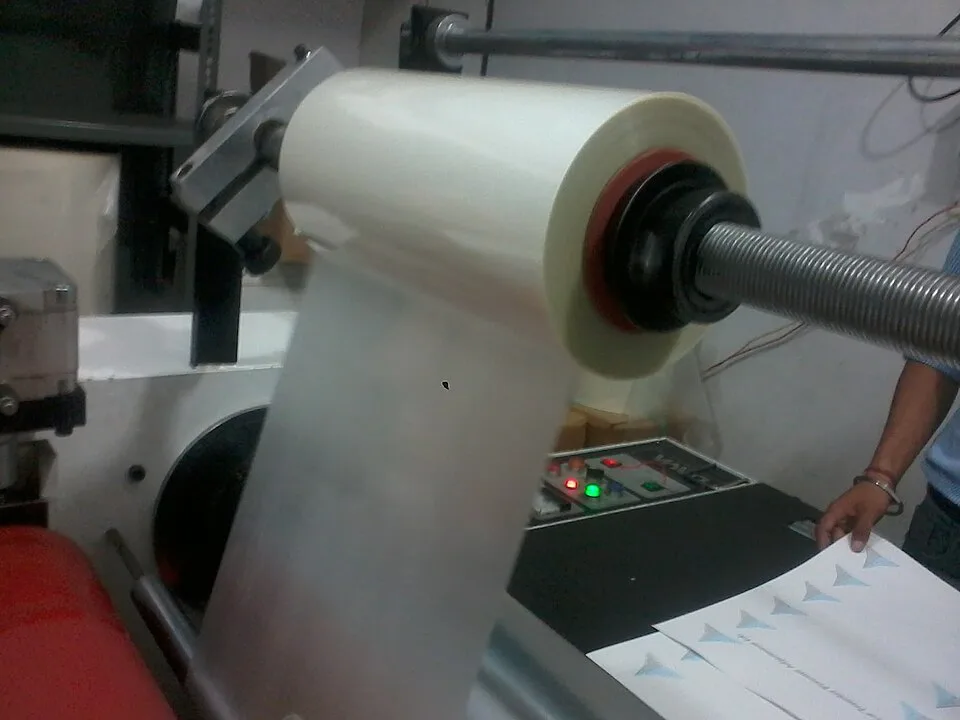
Continuously laminates film onto sheet, web or board surfaces, forming a protective, decorative or adhesive backing layer.
How it works
Film and substrate meet in the nip of two main rollers and bond under pressure, or pressure with heat. Pressure-sensitive film with a liner first passes a stripping bar that separates and takes up the liner; heat-activated film needs heat suited to the material. Unwind drag and rewind tension must be matched to roller surface speed.
Process sequence
- Confirm material stack and adhesive face direction
- Set the film and substrate paths
- Set nip, tension and heat for the material
- Pass through the main rollers in sync
- Pull or rewind
- Check bubbles, wrinkles and appearance
Key inputs
- Substrate width and thickness, film and adhesive type
- Liner path, tension and web guiding
- Roller gap, pressure, speed and allowable temperature
Common problems
- Tension imbalance causing wrinkles and stretch
- Dust or trapped air causing defects
- Unsuitable pressure or temperature causing poor bonding or curl
Limits of application
- This entry covers film lamination
- Cold pressure-sensitive lamination and thermal lamination have different temperature conditions
- Automatic feed and rewind configurations also differ from manual sheet-fed types
Functional modules
Unwind tension
Stabilizes film and substrate supply
Liner stripping and take-up
Separates and collects liner
Main laminating rollers
Provide nip pressure and any heat needed
Pull and rewind
Keep output steady and collect product
Manufacturer & technical sources
Continue with manufacturer product pages, operating principles and technical information for this equipment type.