

What it does
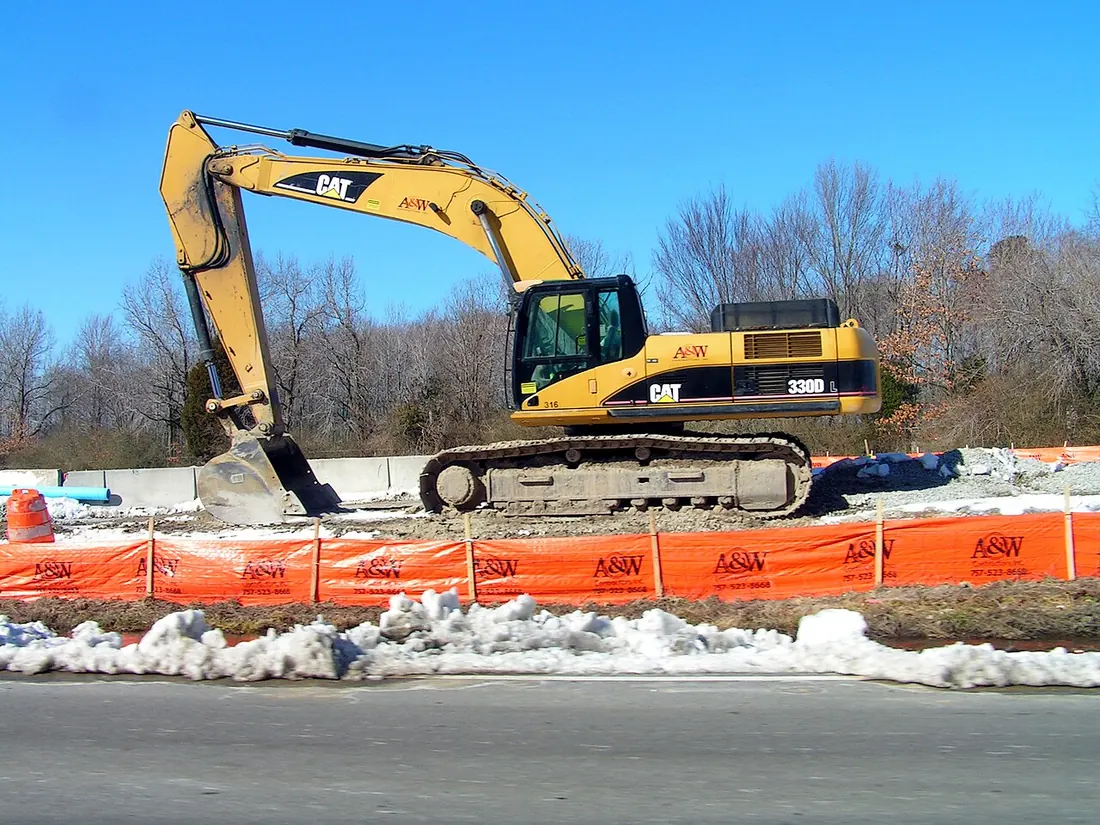
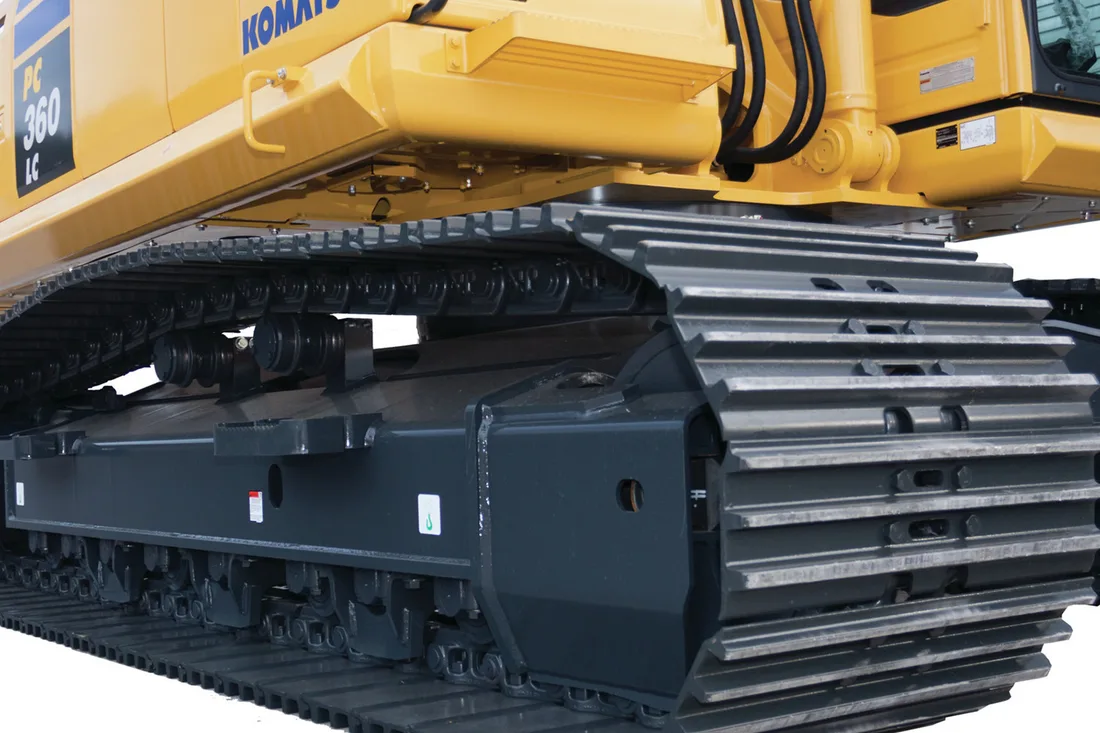
An excavator supported and moved on crawler tracks, with track shoes chosen to suit ground conditions, for digging and loading in earthworks.
How it works
The travel drive turns sprockets and tracks through reduction gearing, and track rollers and carrier rollers keep the track path; the upper structure turns to the working face with its own swing drive, and cylinders control the boom and bucket. Track steering and upper structure slewing are two separate motions.
Process sequence
- Check tracks and ground
- Move to the work position
- Set a stable digging stance
- Dig and load with boom and bucket
- Slew to dump
- Reposition as needed
Key inputs
- Ground firmness, slope and bearing capacity
- Track shoes, machine weight and working radius
- Attachment, travel path and transport conditions
Common problems
- Track tension or track chain wear
- Packed mud and stones and travel drift
- Weak ground, side loading or too little swing space
Limits of application
- Tracks do not guarantee passage on any soft ground
- Long relocations and road surface protection need separate consideration and cannot follow wheeled travel conditions
Functional modules
Crawler travel
Transmits traction and carries weight
Boom, bucket and cylinders
Dig and load
Swing reduction
Changes upper structure direction
Hydraulic control
Coordinates travel, swing and attachment
Manufacturer & technical sources
Continue with manufacturer product pages, operating principles and technical information for this equipment type.