
EQUIPMENT / PRINCIPLE / DESIGN

Dual-station auto assembler

Splits the assembly task between two stations, working in parallel or alternately to reduce waiting between loading and processing.

Equipment principle & structureRequest design help ↗
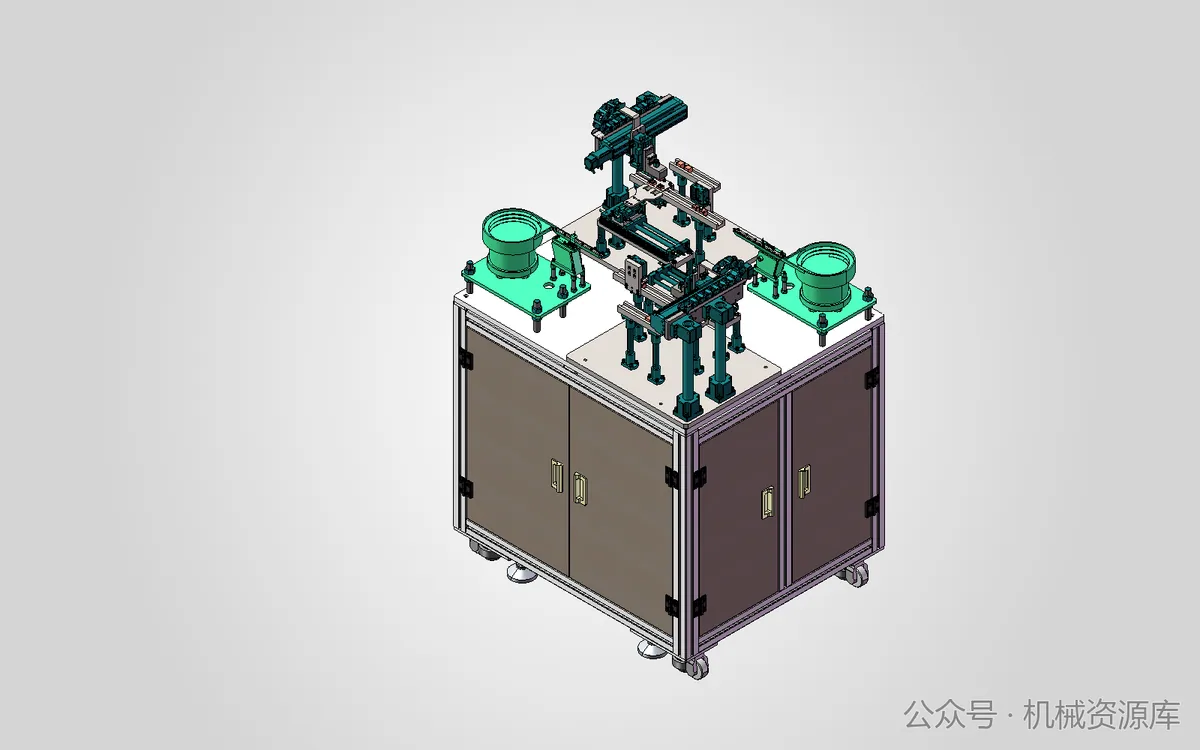
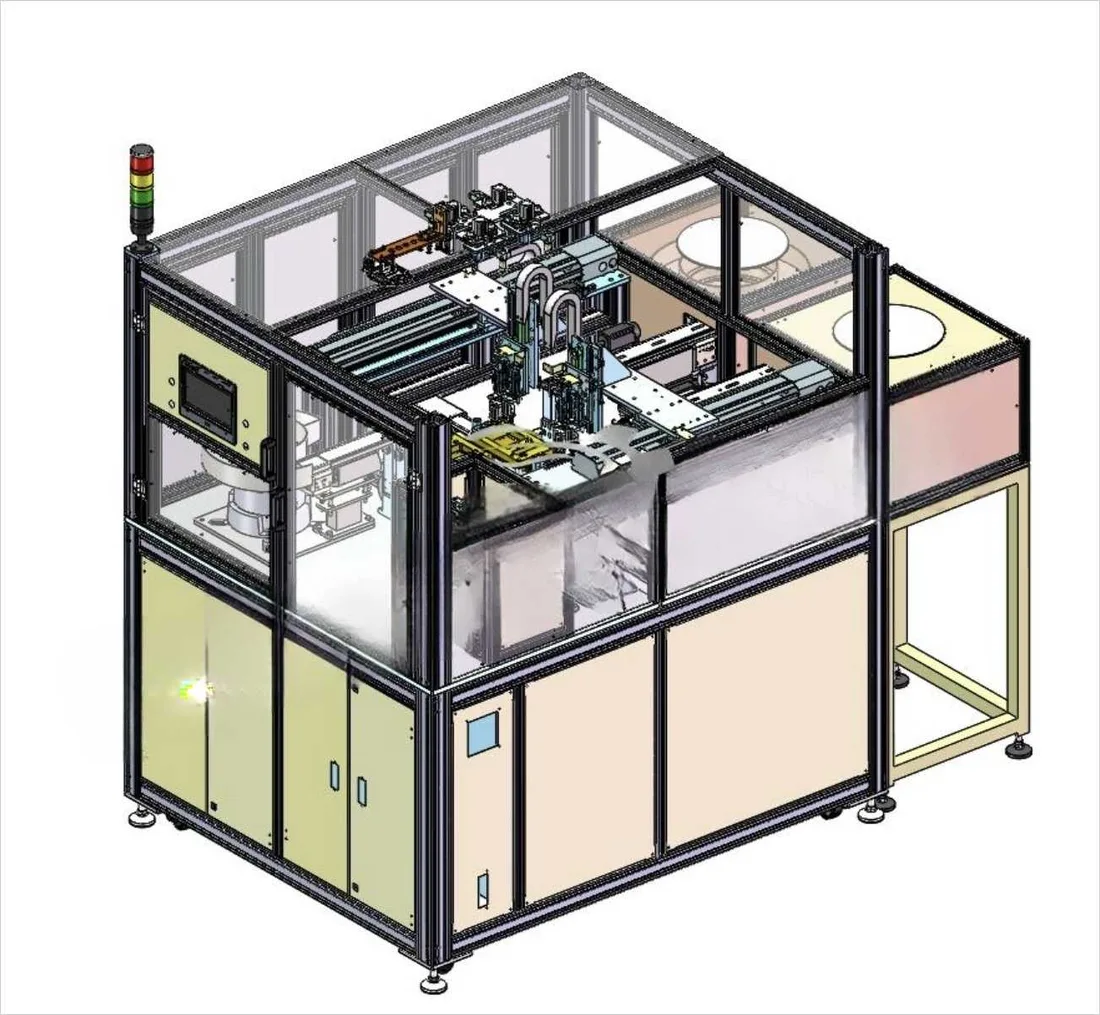
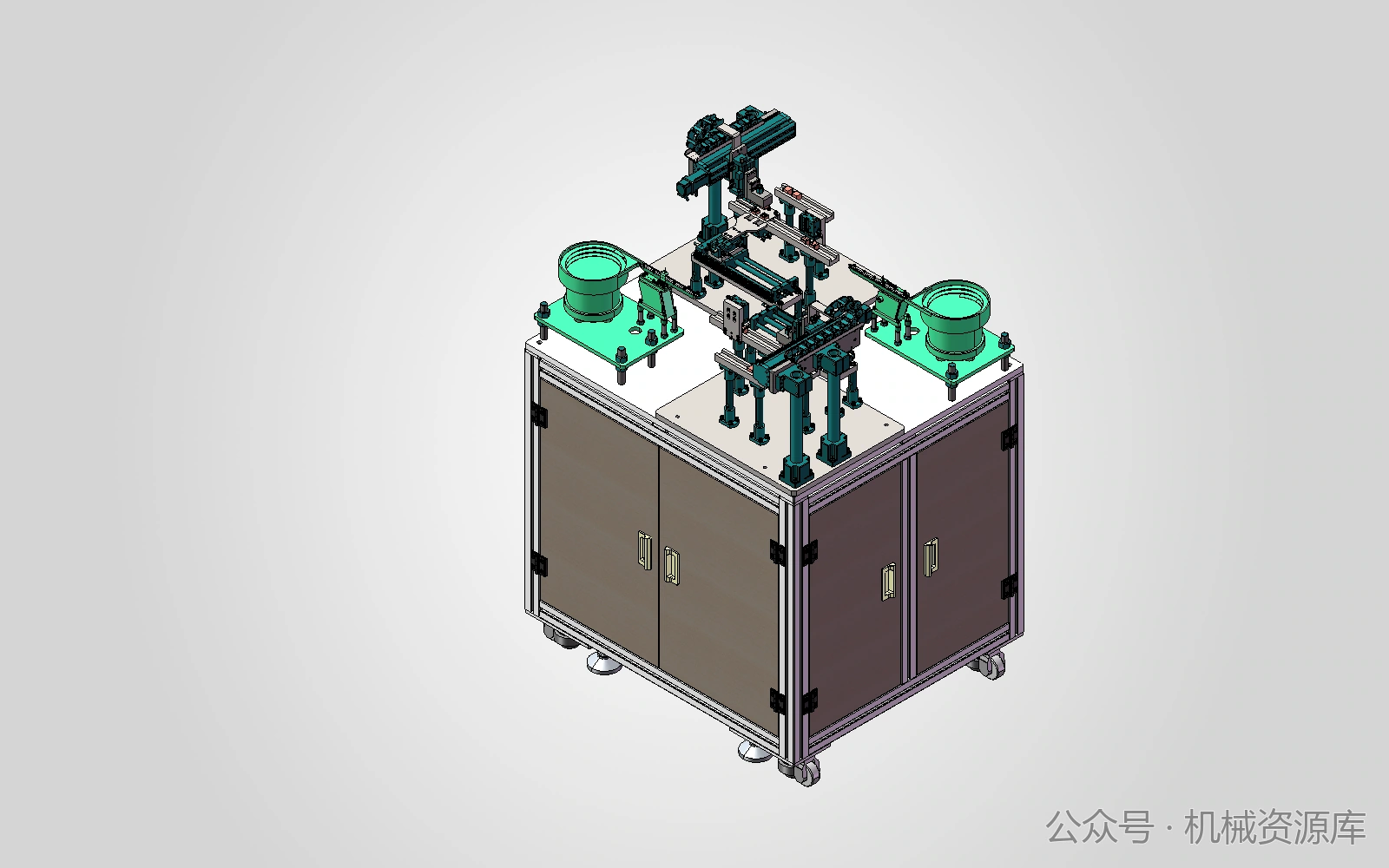
Dual-station auto assembler · Model structure reference
Dual-station auto assembler · Model structure reference · Xiaobai Design Library · original model image with original markings · User-provided model reference; no ownership transfer asserted · Original source image; natural pixels, original marks retained
Dual-station assembler, 3D model: two transfer rails, press heads, two bowl feeders
Dual-station assembler, 3D model: two transfer rails, press heads, two bowl feeders · Moxi 3D model · Public model library reference image · Resized proportionally and converted to WebP

What it does

Splits the assembly task between two stations, working in parallel or alternately to reduce waiting between loading and processing.

How it works

Taking dual-fixture rotary assembly as an example, two product fixtures swap positions on a support plate; one position performs the specified tightening while the other performs riveting or another step. Before swapping, the actuators at both stations must withdraw, and status and product identity stay with the fixture so unprocessed parts are never taken for finished ones.

Process sequence

  1. Locate the product
  2. Confirm both stations can run
  3. Perform each station's assembly
  4. Check both stations are complete
  5. Withdraw the heads and swap
  6. Inspect or unload

Key inputs

  1. Assembly content, step order and cycle time
  2. Locating datums of both stations and shared resources
  3. Swap envelope, missing-part detection and quality status

Common problems

  1. One slow station making the other wait
  2. Lost status causing missing parts
  3. Insufficient withdrawal or datum offset after swapping

Limits of application

  1. Two stations do not necessarily double output
  2. Independent parallel work, alternating processing and sequential assembly differ in scheduling and traceability

Functional modules

Dual assembly fixtures

Keep each product's state

Exchange mechanism

Indexes between process positions

Assembly heads

Perform tightening or pressing at each

Process control

Manages completion conditions and quality records

Manufacturer & technical sources

Continue with manufacturer product pages, operating principles and technical information for this equipment type.
ONLY ON MECHWIKI / AGGREGATED

Aggregated references: models, makers, patents & videos

References scattered across model articles, vendor sites and patent databases, gathered under this machine. Checked items are listed; the rest are offered as ready-to-open searches.

Equipment and core-unit manufacturers1

Manufacturer references for whole machines, subsystems and related processes; each item states its scope.

  • Yiheda

    SL0027 reference mechanism for switching between two stations · Key subsystem

    This is the manufacturer's mechanism reference. The required fixture height and width must be met. Confirm whether the specific assembly operations can run at both stations at the same time.

    Manufacturer reference

Patents: how others built it

Patents are useful for drawings and mechanism ideas. None has been vetted for this entry yet, so here are searches pre-filled with the machine name.

Videos: see it run

No licensed video is hosted for this machine yet; these searches are pre-filled with its name.

3D MODELS

3D models and download information

Explore structure and assembly with models. Download methods, file formats and terms are provided by the original article or mini program.

Find more in the model library →