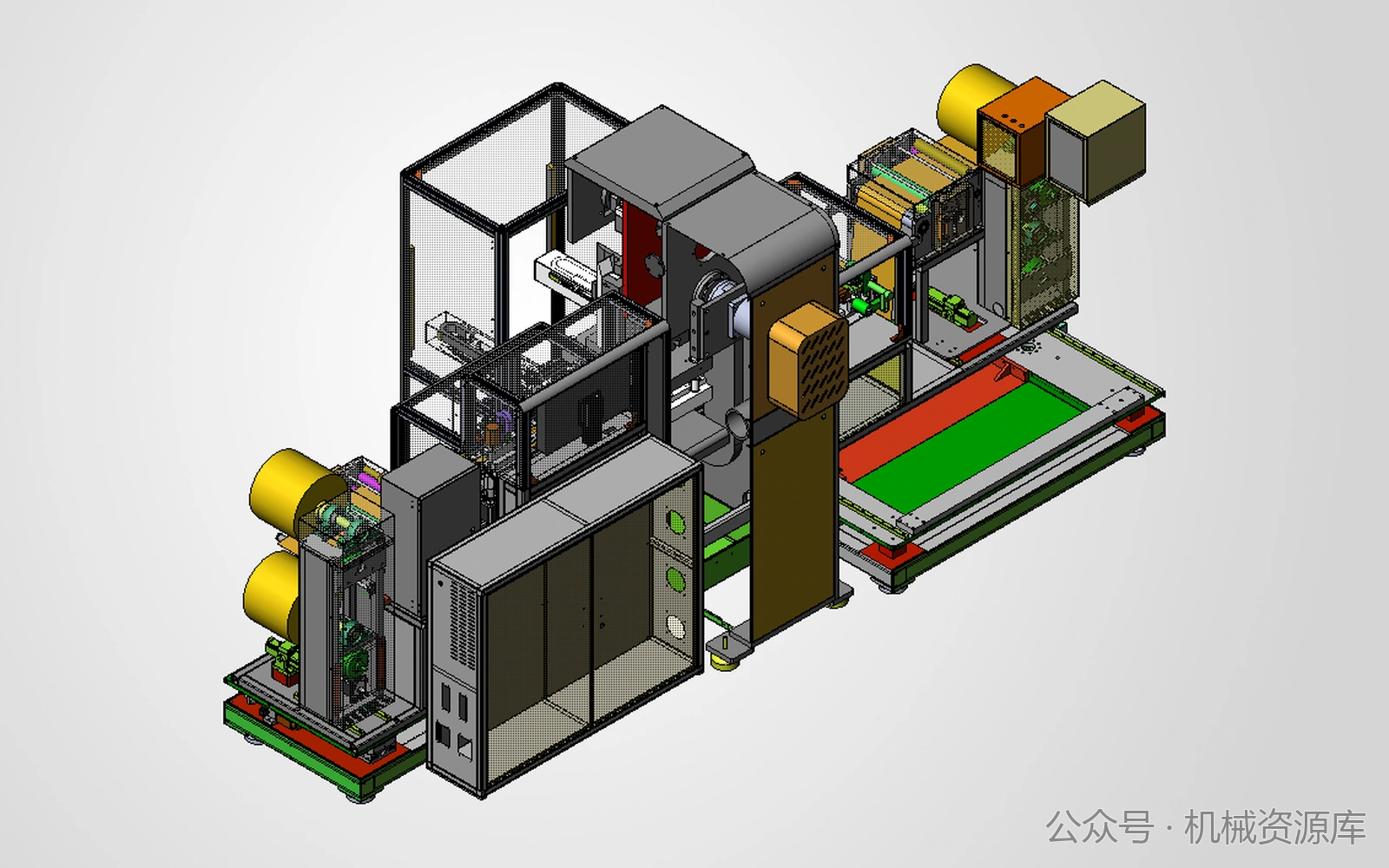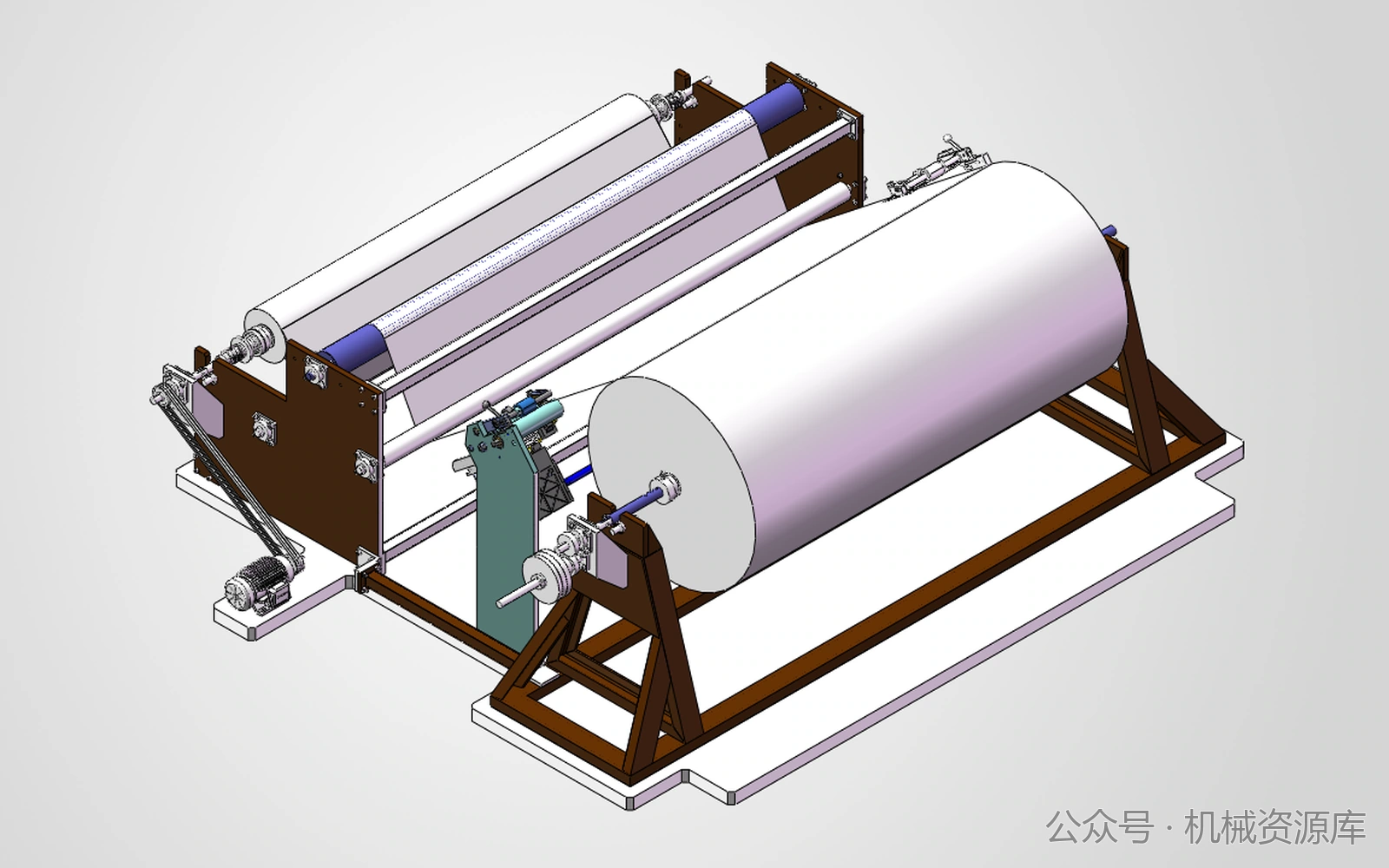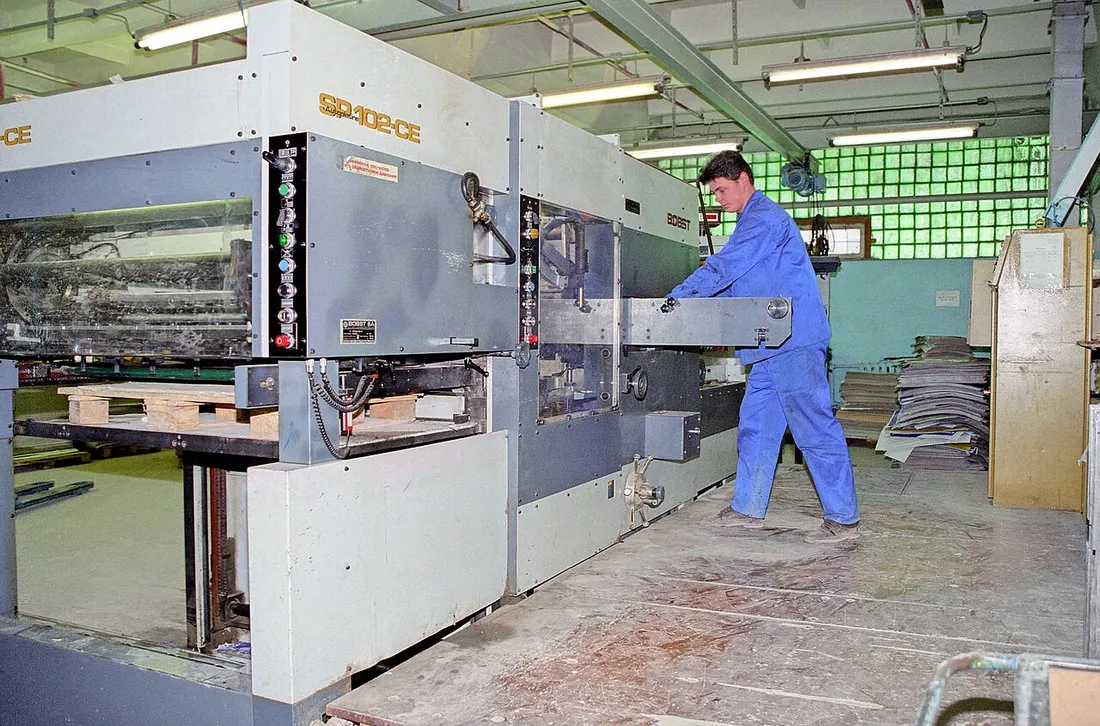

What it does
Cuts board, labels or suitable sheet into set outlines with a shaped cutting die, and can crease or perforate at the same time.
How it works
Flat-bed machines close the die against the counter plate to cut or crease at set positions; rotary machines act continuously with a rotating die. Through-cutting cartons, kiss-cutting labels and creasing need different rules and backing, followed by stripping or blanking as configured.
Process sequence
- Confirm material and die
- Feed and register
- Close the die or roll to cut
- Separate waste
- Strip and blank as configured
- Check outlines and creases
Key inputs
- Material thickness, grain direction and coating
- Through-cut, kiss-cut or crease target
- Rules, counter plate, registration and waste path
Common problems
- Incomplete cuts or cutting into the liner
- Cracked creases and crease offset
- Poor stripping, nicks holding parts together and registration drift
Limits of application
- Paper die cutting and metal stamping differ in loads and tooling
- Flat-bed, solid rotary and flexible rotary dies are chosen by material and volume
Functional modules
Feeding and registration
Bring printed images to the die datum
Die and counter pressure
Cut outlines or crease
Stripping and separation
Remove trim and internal waste
Delivery control
Keeps cut piece order and outputs
Manufacturer & technical sources
Continue with manufacturer product pages, operating principles and technical information for this equipment type.