

What it does
Solidifies continuously supplied molten metal into a strand that can be withdrawn, cooled and cut to length.
How it works
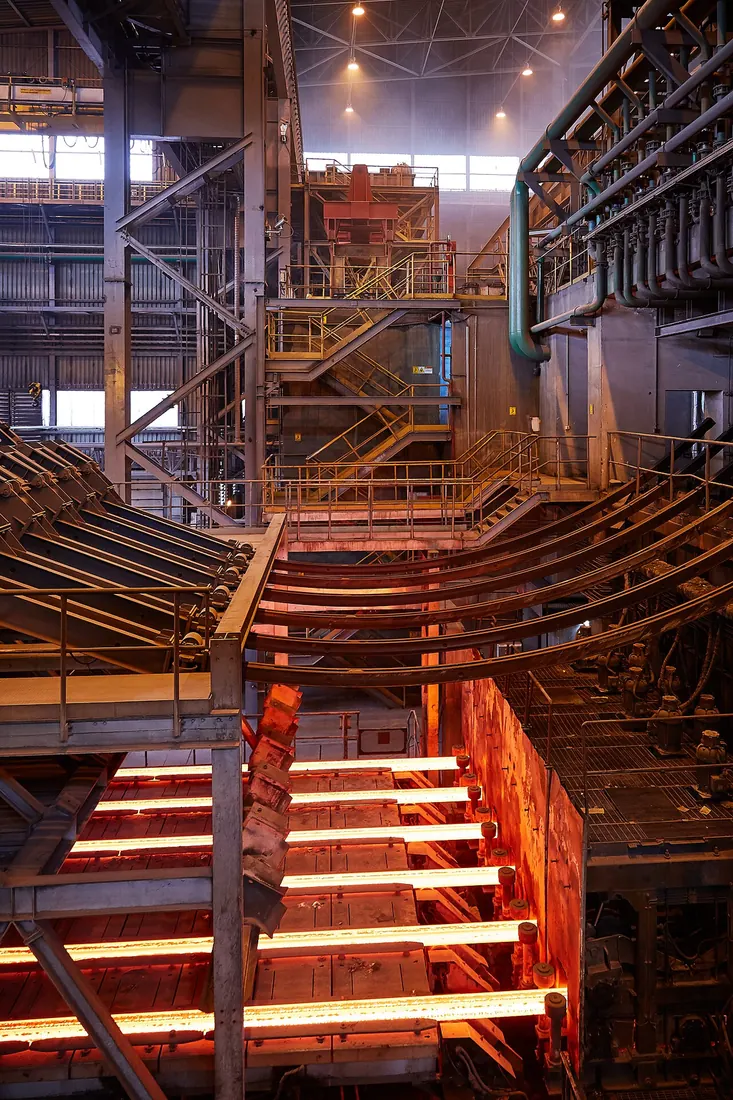
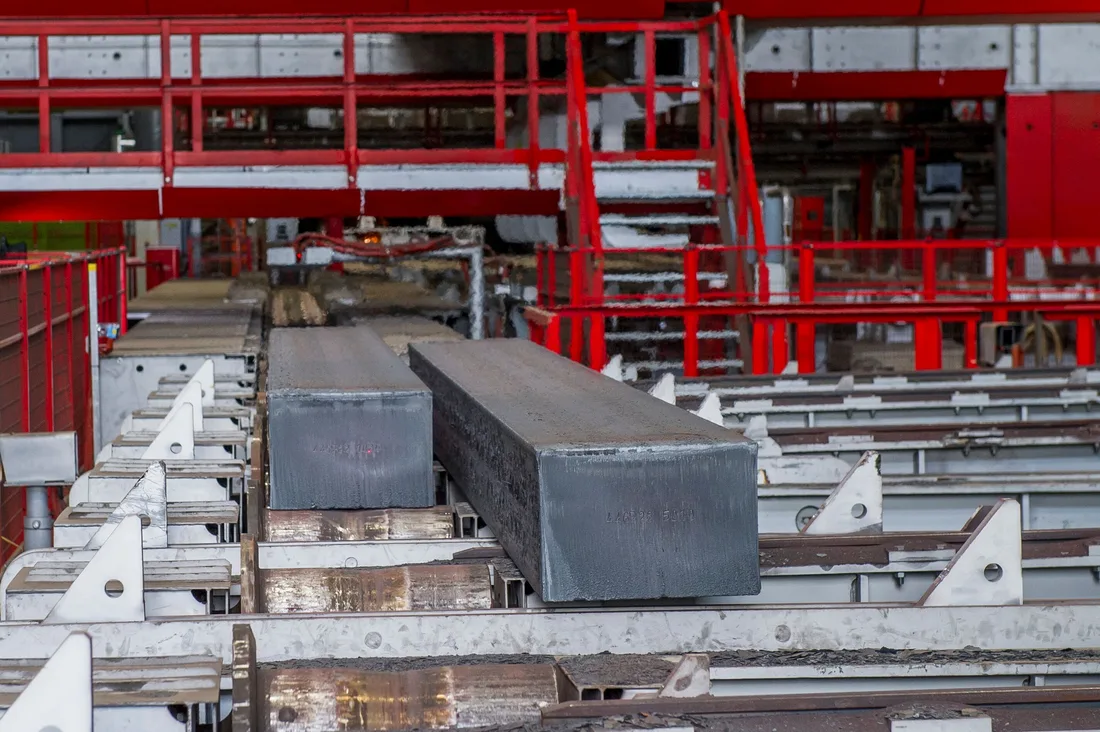
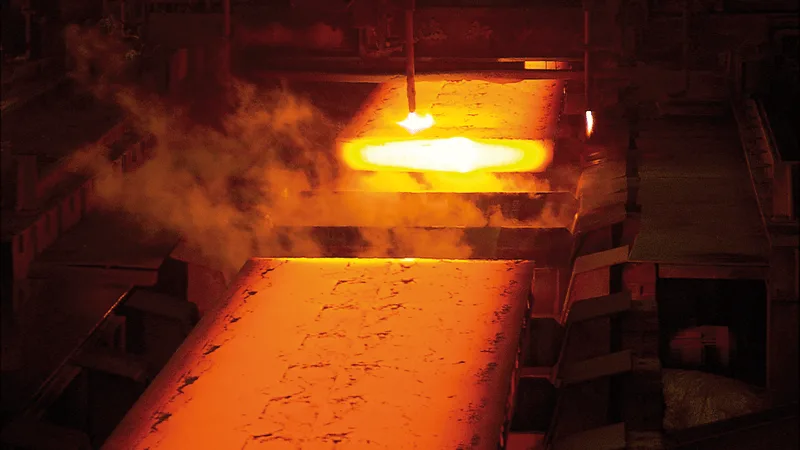
Taking steel continuous casting as an example, steel flows through the tundish and nozzle into a water-cooled mould, first forming a shell around a liquid core; withdrawal rolls pull the strand, secondary cooling continues solidification, and curved machines also straighten it. Supply, shell growth and casting speed must be coordinated.
Process sequence
- Prepare the mould and dummy bar
- Start the metal supply
- Form the shell and withdraw
- Guide, support and cool secondarily
- Straighten by machine type
- Cut and inspect
Key inputs
- Alloy and strand section
- Supply and mould level
- Casting speed and cooling
- Shell strength and downstream cutting
Common problems
- Level fluctuation affecting shell growth
- Nozzle clogging changing flow
- Uneven cooling or wrong straightening causing cracks
- Shell failure possibly causing breakout
Limits of application
- This page uses steel continuous casting as the example
- Copper and other alloys and horizontal casting organize supply and withdrawal differently
- It is not pouring metal into a single stationary ingot mould
Functional modules
Tundish and nozzle
Steady feed into the mould
Mould and oscillation
Form the initial shell
Guide rolls and secondary cooling
Support the strand and continue solidification
Withdrawal, straightening and cutting
Output strands of set length
Manufacturer & technical sources
Continue with manufacturer product pages, operating principles and technical information for this equipment type.