
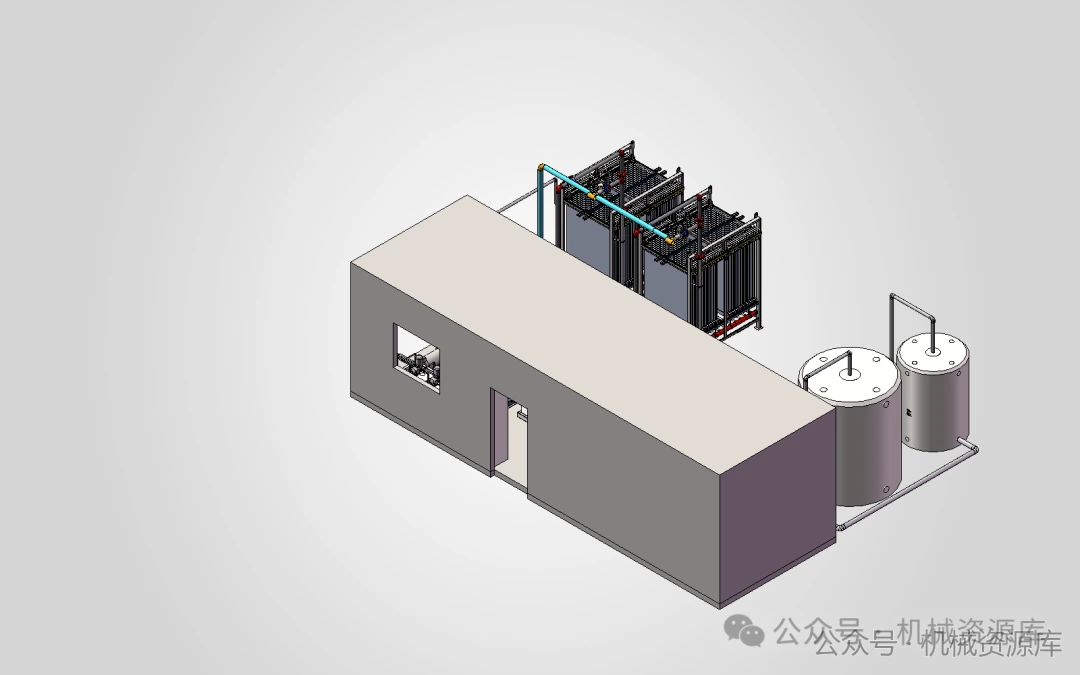
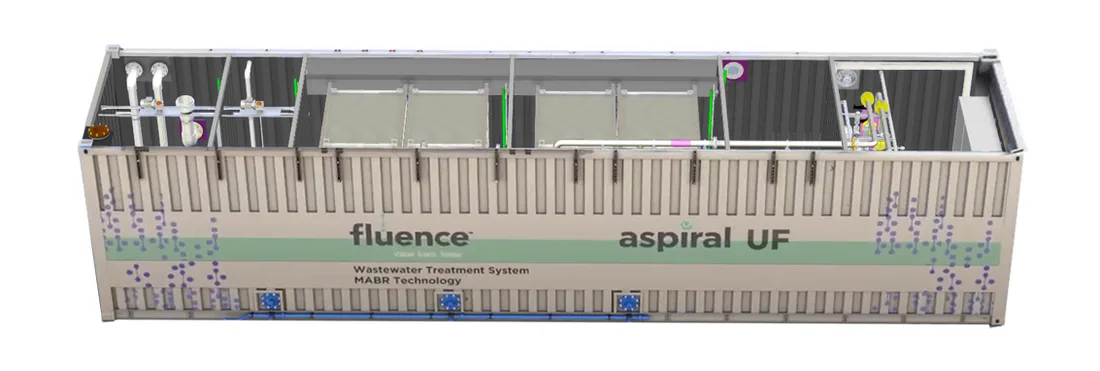
What it does
Treats suitable organic wastewater by combining biological treatment with membrane separation.
How it works
Microbes in the reactor convert biodegradable pollutants, and the membrane separates sludge from treated water in the mixed liquor; membrane separation does not remove every dissolved substance.
Process steps
- Screen out debris in pretreatment
- Equalize and enter the biological stage
- Supply oxygen and mix to sustain the biology
- Draw permeate through the membranes
- Waste excess sludge and maintain membranes
Key inputs
- Influent composition and fluctuation
- Biological treatability
- Membrane flux and pressure
- Effluent targets
Common misconceptions
- Whether an MBR suits a wastewater depends on influent composition and treatability; a container layout does not set the treatment range.
Limits of application
- Flat sheet and hollow fibre membranes have different module designs.
- Anoxic stages, disinfection and reuse polishing must match influent and effluent targets.
Functional modules
Pretreatment interface
Connects screening and equalization steps.
Bioreactor tank
Provides space for microbes to convert biodegradable pollutants.
Aeration and mixing
Supply oxygen to the biological process and keep the mixed liquor mixed.
Membrane modules and permeate
Separate sludge from treated water by membrane and send permeate out.
Monitoring and cleaning interface
Monitors membrane separation and connects piping for membrane cleaning.
Manufacturer & technical sources
Continue with manufacturer product pages, operating principles and technical information for this equipment type.