EQUIPMENT DIRECTORY

Collaborative robot

A collaborative robot is designed to work in a human-robot shared space after a risk assessment, suited to flexible small batches and assisted assembly.
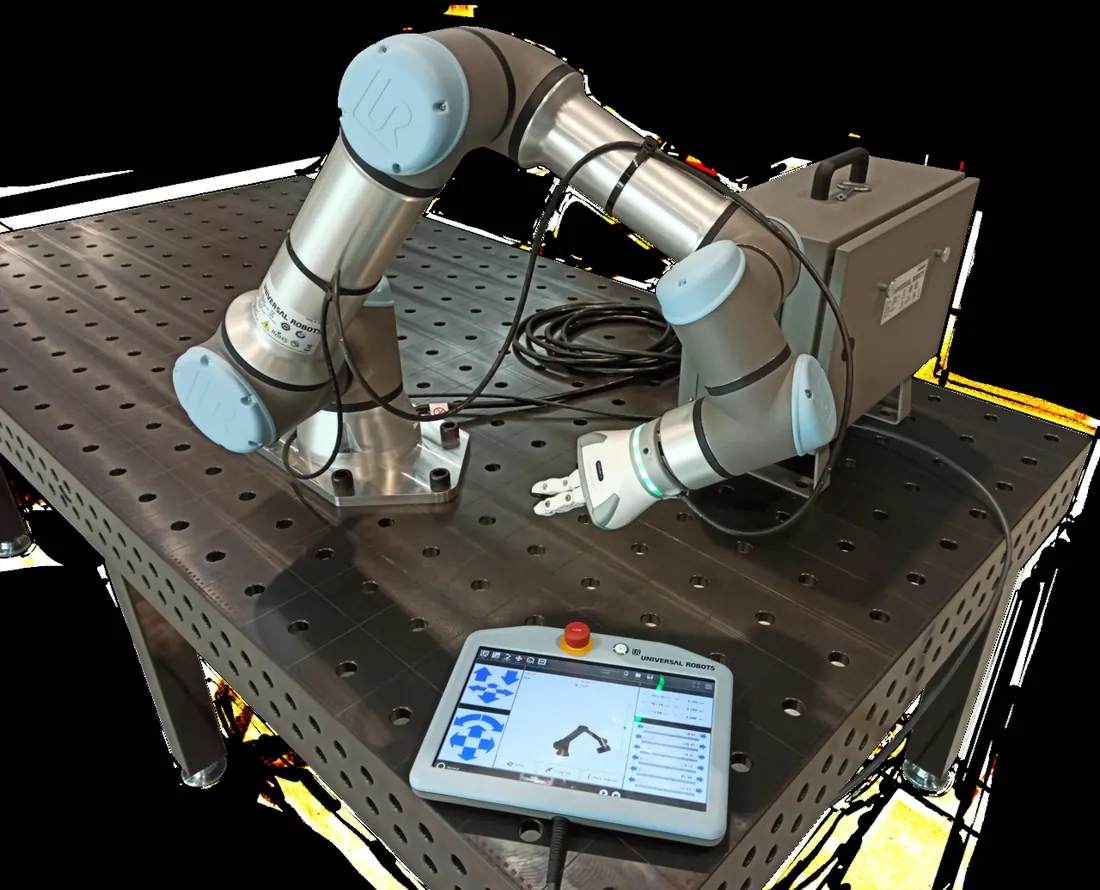
Collaborative robot · Real machine photo
Collaborative robot · Real machine photo · Source: Wikimedia Commons ↗ · by Auledas · CC BY-SA 4.0 · Resized and converted to WebP
Collaborative robot · original schematic, not to scale; shows the working principle and modules
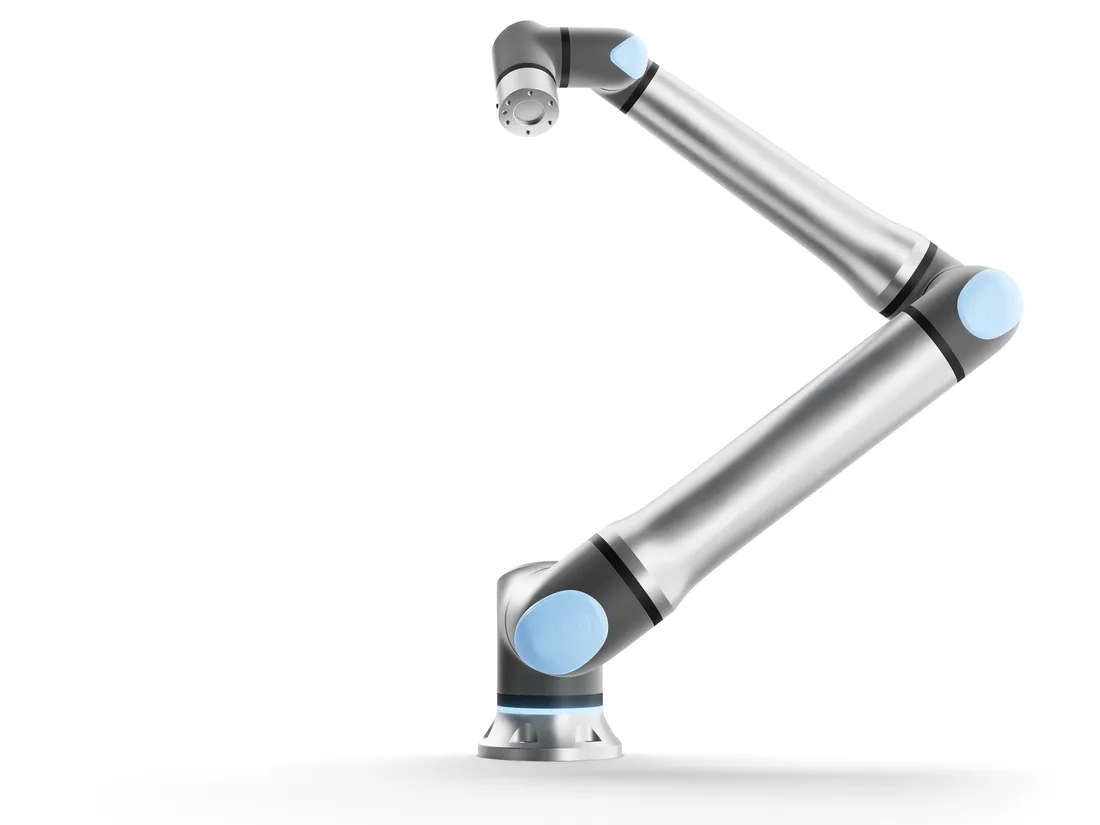
Universal Robots UR20-1750 cobot (manufacturer rendering)
Universal Robots UR20-1750 cobot (manufacturer rendering) · Source: Universal Robots website ↗ · © the manufacturer, quoted for reference · Resized proportionally and converted to WebP
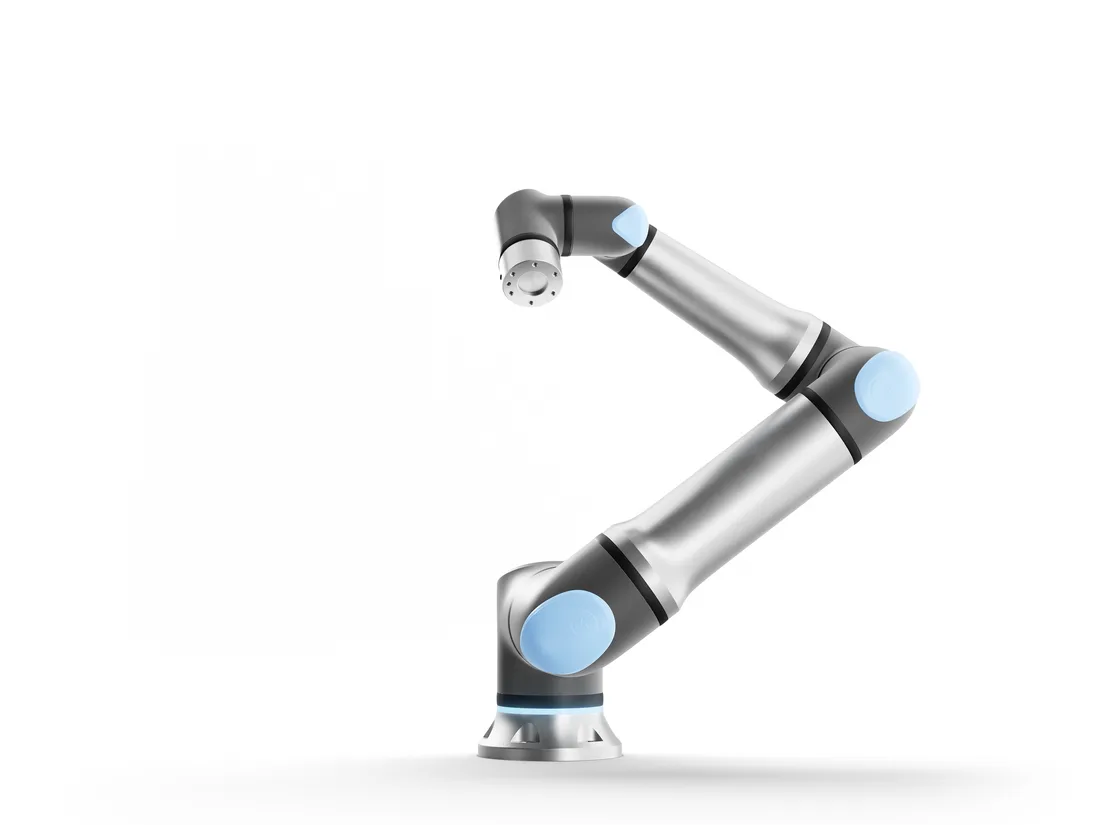
Universal Robots UR15 cobot (manufacturer rendering)
Universal Robots UR15 cobot (manufacturer rendering) · Source: Universal Robots website ↗ · © the manufacturer, quoted for reference · Resized proportionally and converted to WebP
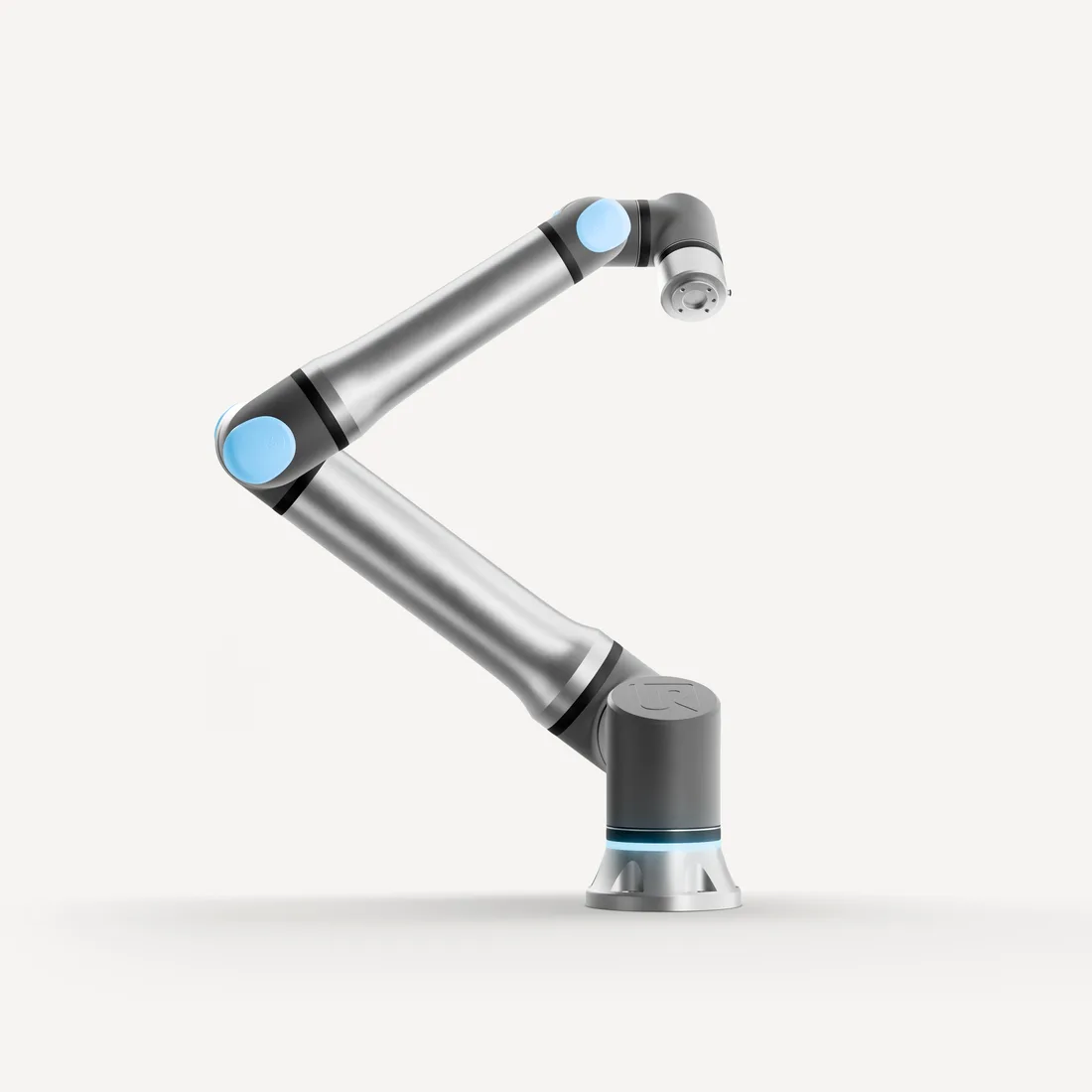
Universal Robots UR30-1300 cobot (manufacturer rendering)
Universal Robots UR30-1300 cobot (manufacturer rendering) · Source: Universal Robots website ↗ · © the manufacturer, quoted for reference · Resized proportionally and converted to WebP

Video demonstrations

Footage · 0:19Two arms in a guarded cell picking and placing beside fixtures and a conveyor
Source: the site owner’s published channel videos · credited on screen to HAN'S ROBOT · © the original author, quoted for reference; muted
Footage · 0:28Soft red gripper fingers close around an egg
Source: the site owner’s published channel videos · original author not marked on screen · © the original author, quoted for reference; muted

Functional modules

Collaborative arm

Joints and sensing.

End-effector safety

Rounded edges and safe gripping.

Safety configuration

Operating modes and I/O.

Mobile or fixed base

Cart or floor anchors.

Application fixtures

Quick change between tasks.

Teaching and access

Program management.

Main operation

Supports picking, assisted tightening and inspection within the specified speed and force limits and protective measures. A cell can be moved or changed over for another task.

Applications

Typical loads include small assemblies, fasteners and inspection samples. Fast cycles with heavy loads or impact hazards often call for a fenced industrial six-axis cell.

Motion and drives

Servo-driven joints. Define requirements for switching between collaborative and industrial modes.

Design inputs

  • Frequency of human–robot contact
  • Load and sharp points
  • Cycle time
  • Risk assessment requirements
  • Safe end-effector design
  • Relocation frequency
  • Interlocks
  • Training

Design choices

  • Collaborative arm or fenced six-axis robot
  • Fixed or mobile installation
  • Pick-and-place or assisted tightening
  • Requirements for safety mode selection

Common pitfalls

  • Assuming a collaborative application automatically qualifies for operation without fencing or risk assessment.
  • Leaving sharp tooling unaddressed.
  • Allowing anyone to edit the program.

Handover checks

  • Risk assessment
  • Safety mode description
  • End-effector safety inspection
  • Program permissions
  • Emergency stop
  • Application changeover checklist
ONLY ON MECHWIKI / AGGREGATED

Aggregated references: models, makers, patents & videos

References scattered across model articles, vendor sites and patent databases, gathered under this machine. Checked items are listed; the rest are offered as ready-to-open searches.

Equipment and core-unit manufacturers3

Manufacturer references for whole machines, subsystems and related processes; each item states its scope.

Videos: see it run

No licensed video is hosted for this machine yet; these searches are pre-filled with its name.

3D MODELS

3D models and download information

Explore structure and assembly with models. Download methods, file formats and terms are provided by the original article or mini program.

Find more in the model library →