
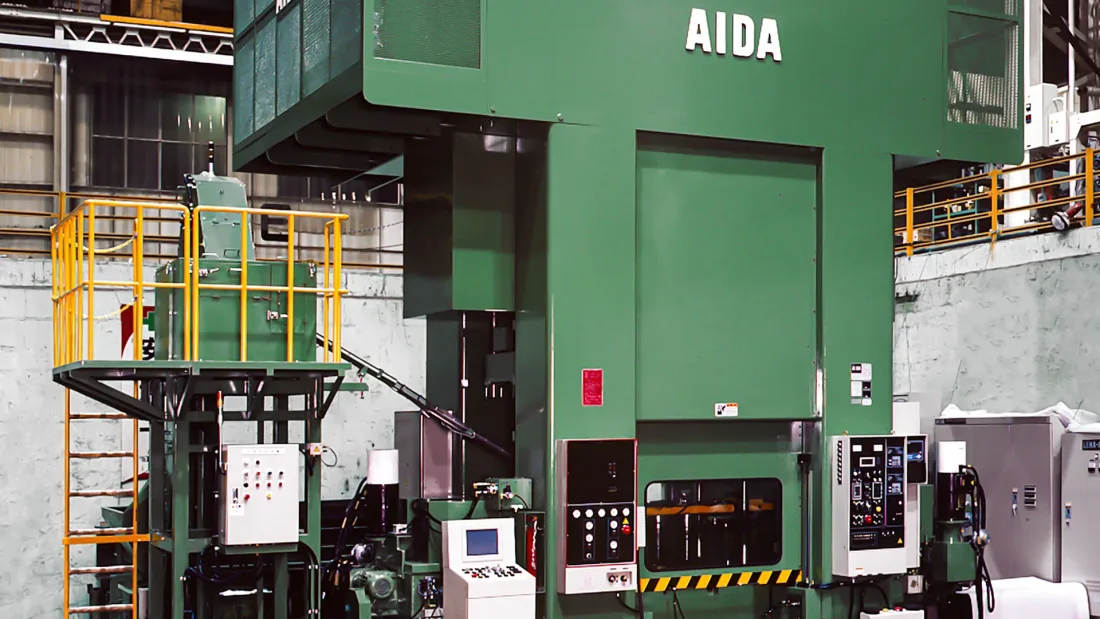

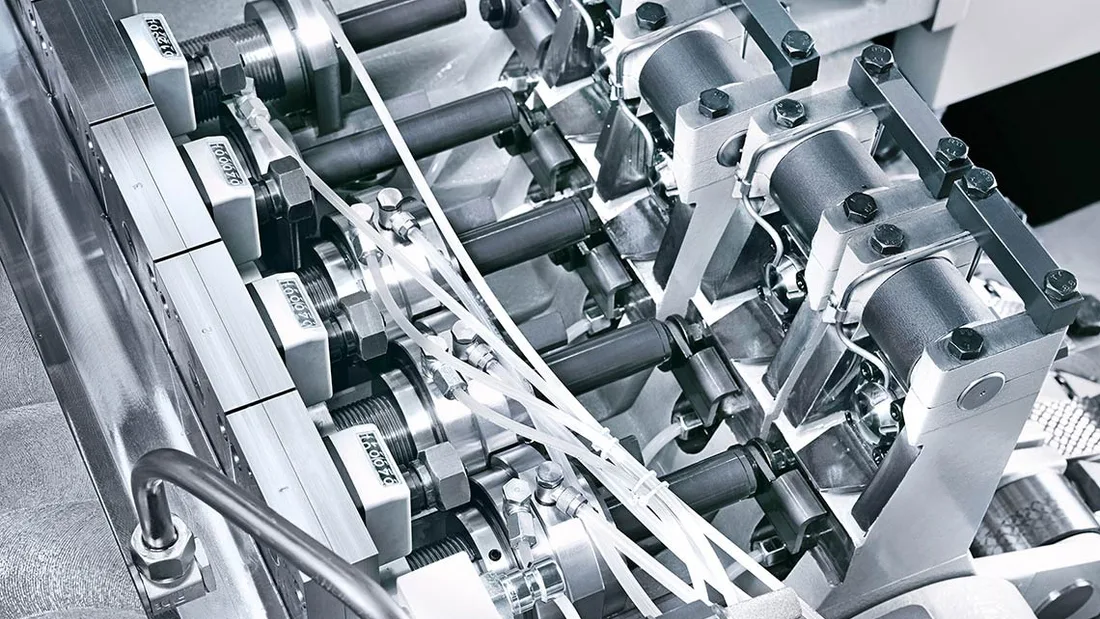
What it does
Compresses and extrudes metal in dies without first heating the blank to hot forging temperature, to obtain the required shape.
How it works
The blank flows plastically between punch, die and ejector, combining upsetting and forward or backward extrusion. Cold deformation causes work hardening, so blank volume, ductility, lubrication and stage allocation directly affect filling and tool load; the drive may be mechanical or hydraulic.
Process sequence
- Prepare blanks and surface lubrication
- Locate at the stage
- Compress or extrude in the die
- Return under control and eject
- Transfer to the next stage
- Check dimensions, surface and defects
Key inputs
- Material condition and ductility
- Blank volume and tolerance
- Forming load and stage allocation
- Die support, lubrication and ejection
Common problems
- Work hardening raising later loads
- Oversized blanks causing overload
- Unstable lubrication causing galling
- Poor material flow causing laps or cracks
Limits of application
- Cold forging does not mean the material temperature never changes
- Some materials and deformations need intermediate annealing
- A hot forging press of the same tonnage must not be assumed to have the same cold forging capability
Functional modules
Main drive and slide
Provide pressing motion
Dies and punches
Constrain metal flow
Feeding and transfer
Organize multi-stage blanks
Ejection and lubrication
Release parts and manage friction
Manufacturer & technical sources
Continue with manufacturer product pages, operating principles and technical information for this equipment type.