

What it does
Places cylindrical cells into trays in a set direction and pitch, keeping a consistent orientation for later transfer or assembly.
How it works
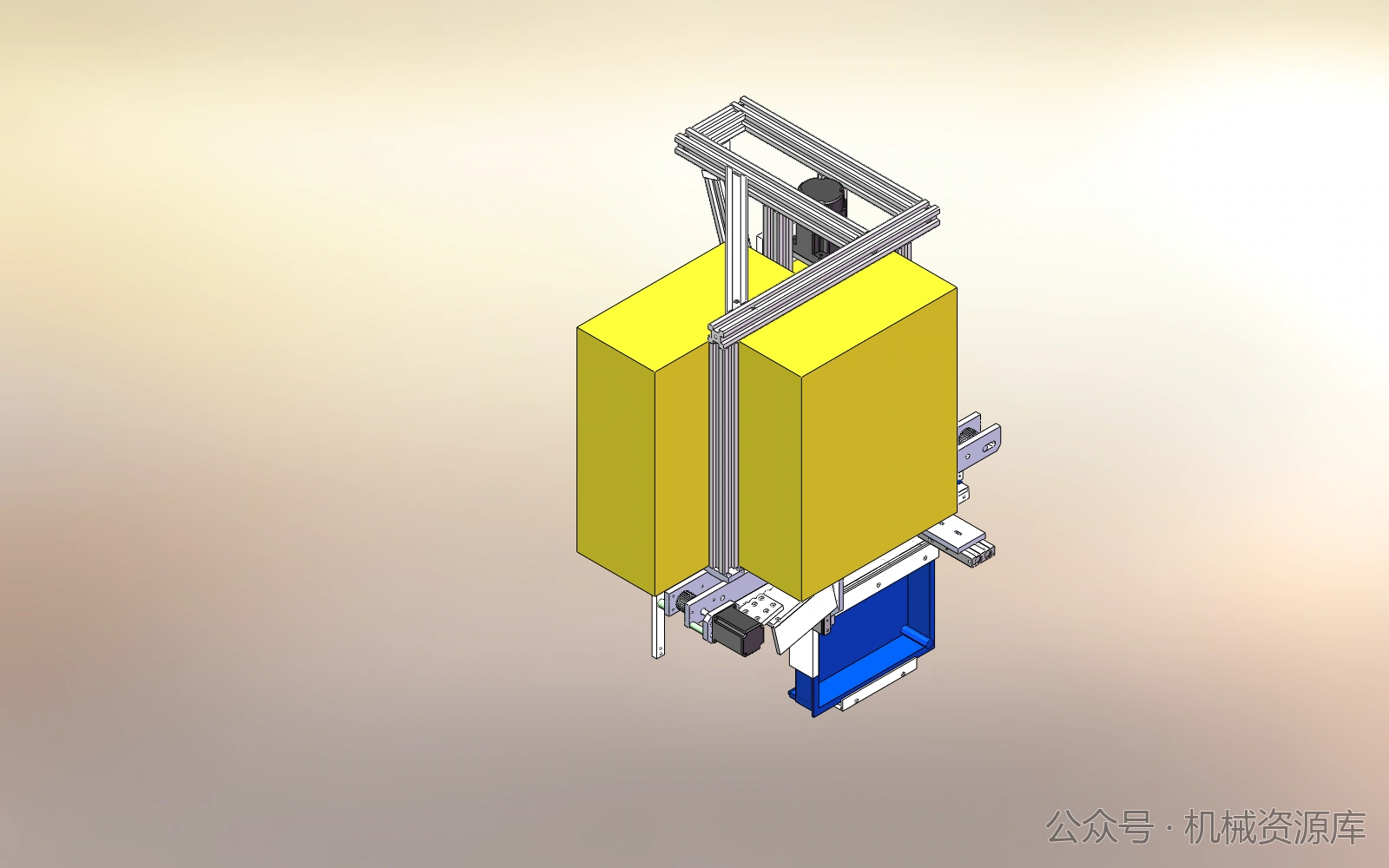
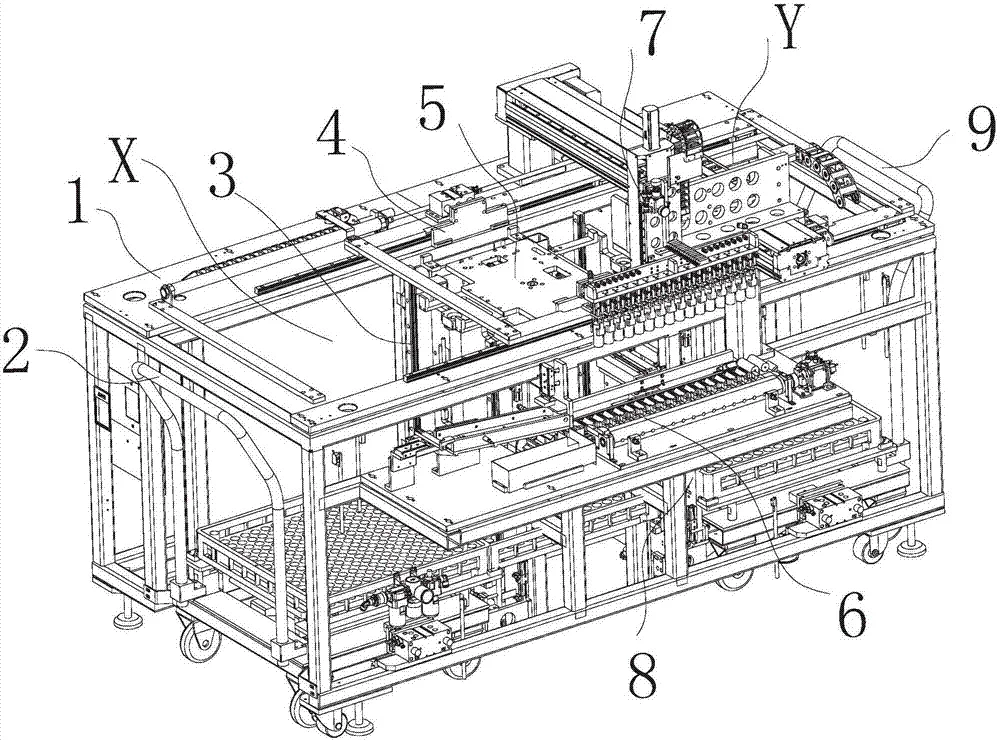
Taking tray loading of cylindrical jelly rolls with exposed tabs as an example, two carrier rollers turn the jelly roll while axial and radial stops hold its position; a sensor detects the tab orientation and stops it, and a multi-axis robot moves it into the tray pocket. For sealed cells, gripping and orientation detection should use the corresponding end-face datums instead.
Process sequence
- Confirm incoming parts and tray
- Load to the orientation station
- Restrain and rotate to detect
- Grip and move to the target pocket
- Confirm placement
- Change tray when full
Key inputs
- Bare jelly roll or sealed cell
- Tab orientation, allowable grip areas and tray pocket shape
- Grip force, missing-part detection and tray change logic
Common problems
- Tabs bent or jelly roll crushed
- Wrong orientation and pocket misplacement
- Missed or double placement, or full tray not changed
Limits of application
- The roller tab orientation example here is for bare jelly rolls
- Sealed cells without the same exposed tabs cannot reuse that detection and end clamping method
Functional modules
Rotary orientation
Rollers turn the jelly roll and limit its position
Tab detection
Determines circumferential orientation
Pick-and-place robot
Transfers between the orientation station and the tray
Tray locating
Manages pockets, full trays and tray change
Manufacturer & technical sources
Continue with manufacturer product pages, operating principles and technical information for this equipment type.