
What it does
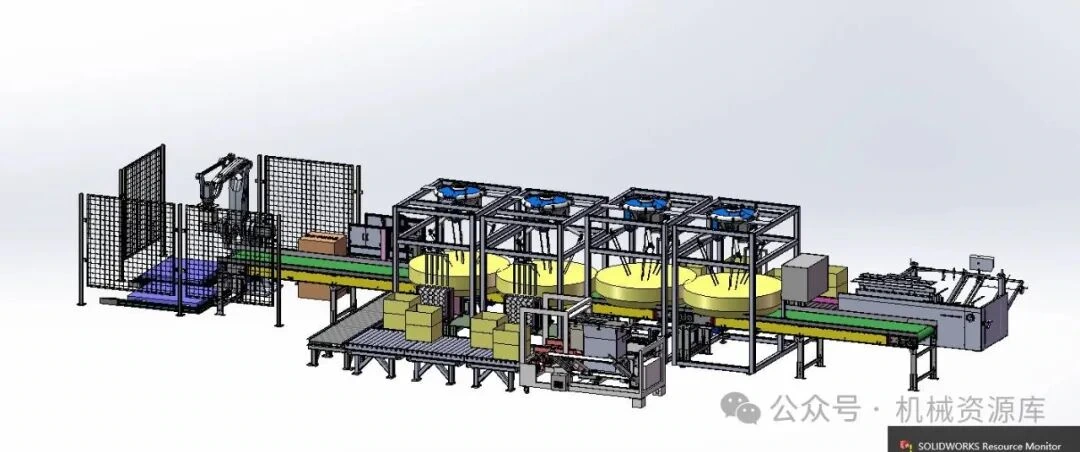
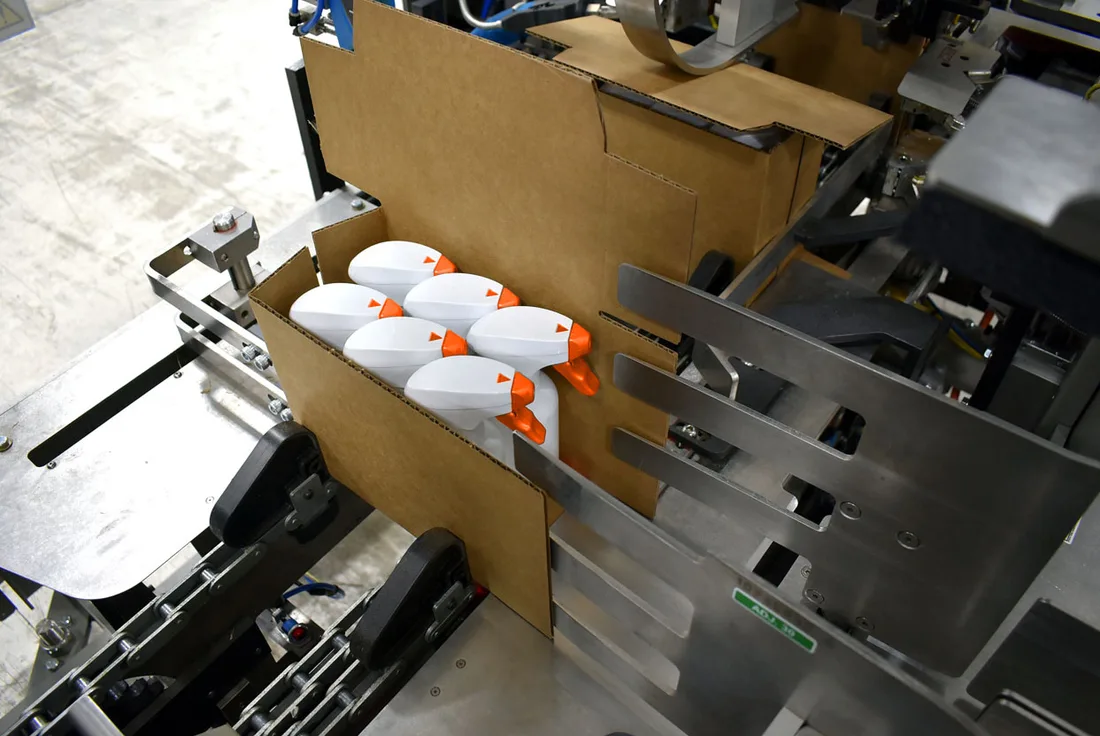
Loads individual products in set patterns into shipping cases, linking primary packaging with case sealing and palletizing.
How it works
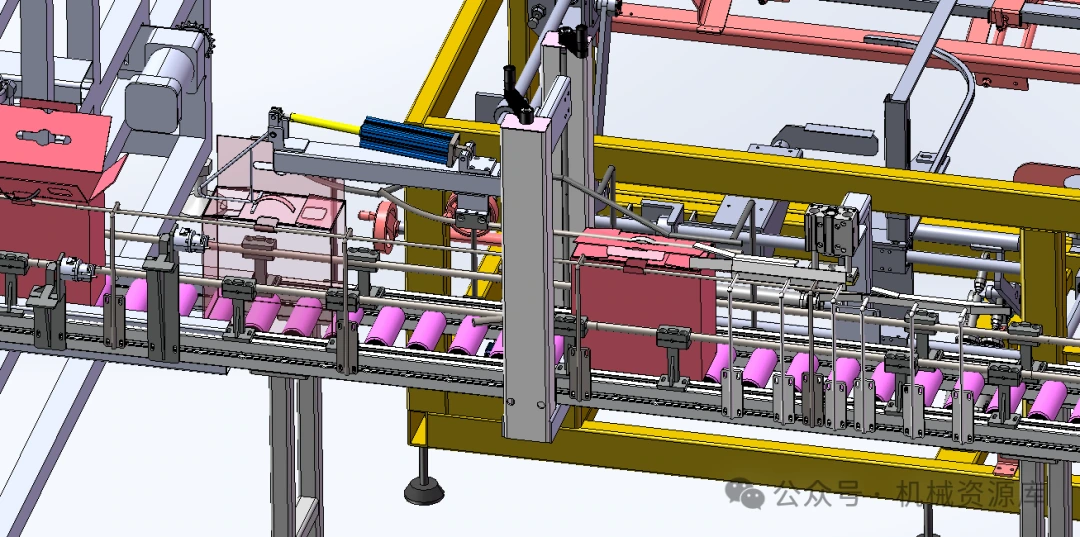
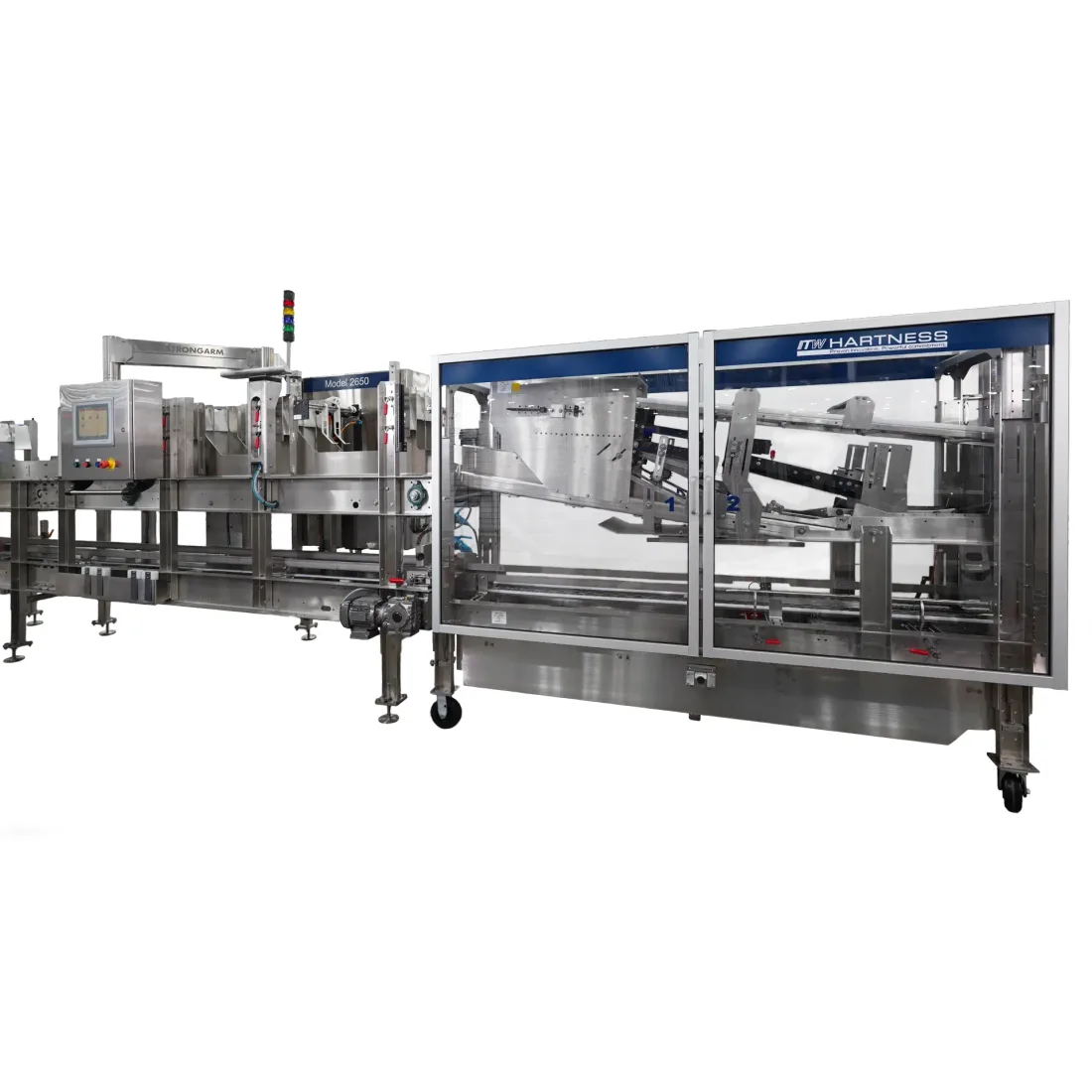
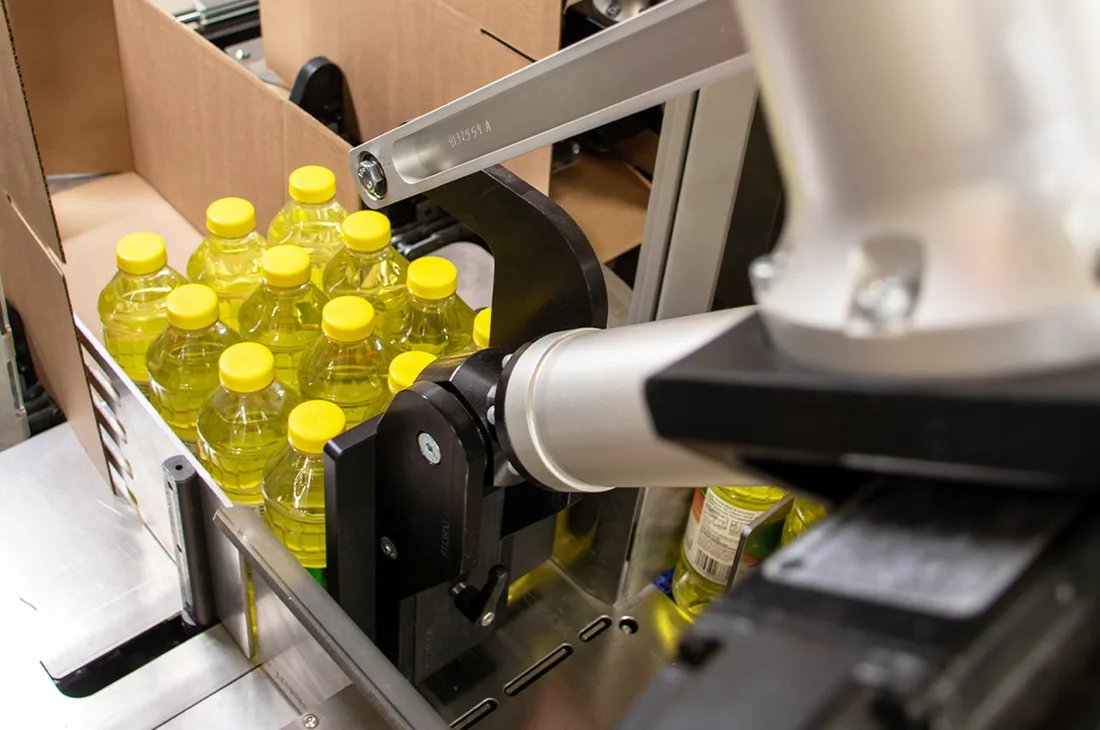
Taking a top loader as an example, conveying and grouping form the case pattern, a located case sits under the pick head, and the head places the whole group into the case. Wraparound machines fold a flat blank around the product, with a different board path and closing motion.
Process sequence
- Feed and group products
- Erect or receive opened cases
- Align case opening and product group
- Load the products
- Close and output as configured
Key inputs
- Product shape, fragility and grippable surfaces
- Pattern per case, dividers and cushioning
- Case design, opening and loading clearance
Common problems
- Grouping backlogs or missing items
- Unstable picks or products hitting the case opening
- Case distortion mismatching the loading path
Limits of application
- Top-load, side-load and wraparound motions are not interchangeable
- Case packing does not automatically include case erecting and sealing modules
Functional modules
Product grouping
Sets count per case and attitude
Case positioning
Aligns the opening with the loading path
Loading head
Picks and places product groups
Closing interface
Hands over to flap folding, glue sealing or a case sealer
Manufacturer & technical sources
Continue with manufacturer product pages, operating principles and technical information for this equipment type.