EQUIPMENT DIRECTORY

Capping machine

Screws on or presses on bottle caps.
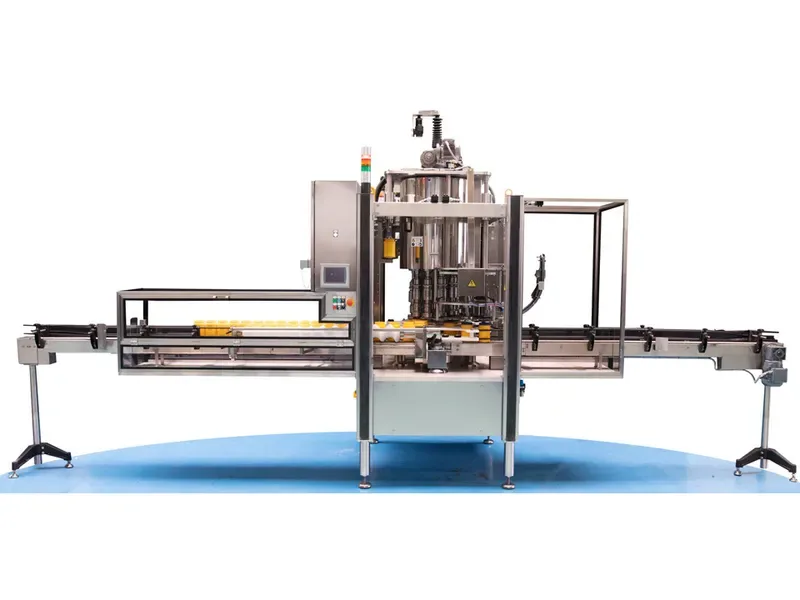
Free-standing rotary screw capper
Free-standing rotary screw capper · Source: Zalkin website ↗ · © the manufacturer, quoted for reference · Resized proportionally and converted to WebP
Capping machine · original schematic, not to scale; shows the working principle and modules
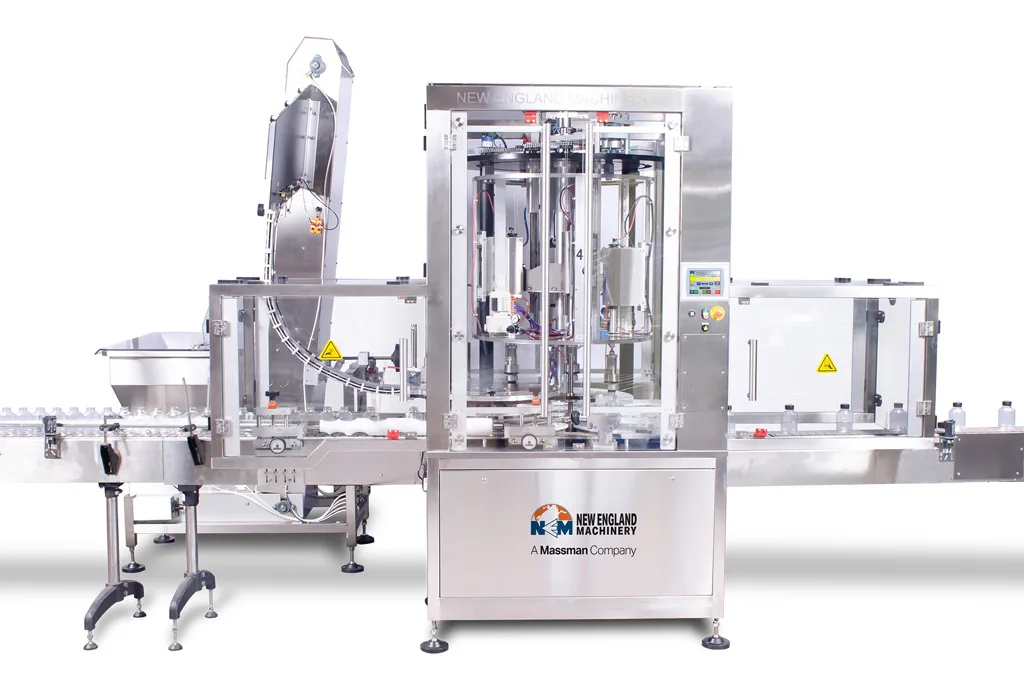
Rotary chuck capper with the cap elevator on the left
Rotary chuck capper with the cap elevator on the left · Source: New England Machinery website ↗ · © the manufacturer, quoted for reference · Resized proportionally and converted to WebP
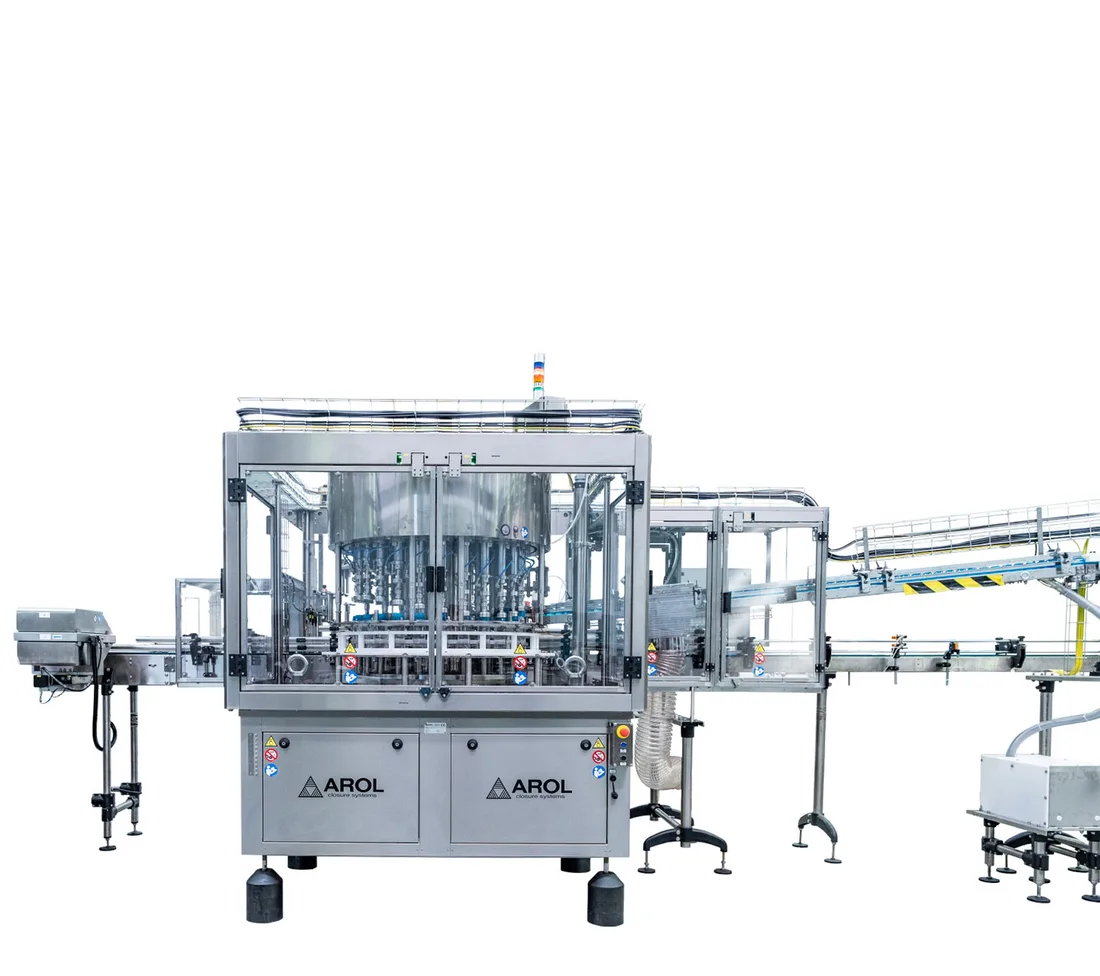
Arol Kamma (historic model): multi-head rotary capper, guarding and bottle track
Arol Kamma (historic model): multi-head rotary capper, guarding and bottle track · Source: Arol website ↗ · © the manufacturer, quoted for reference · Resized proportionally and converted to WebP
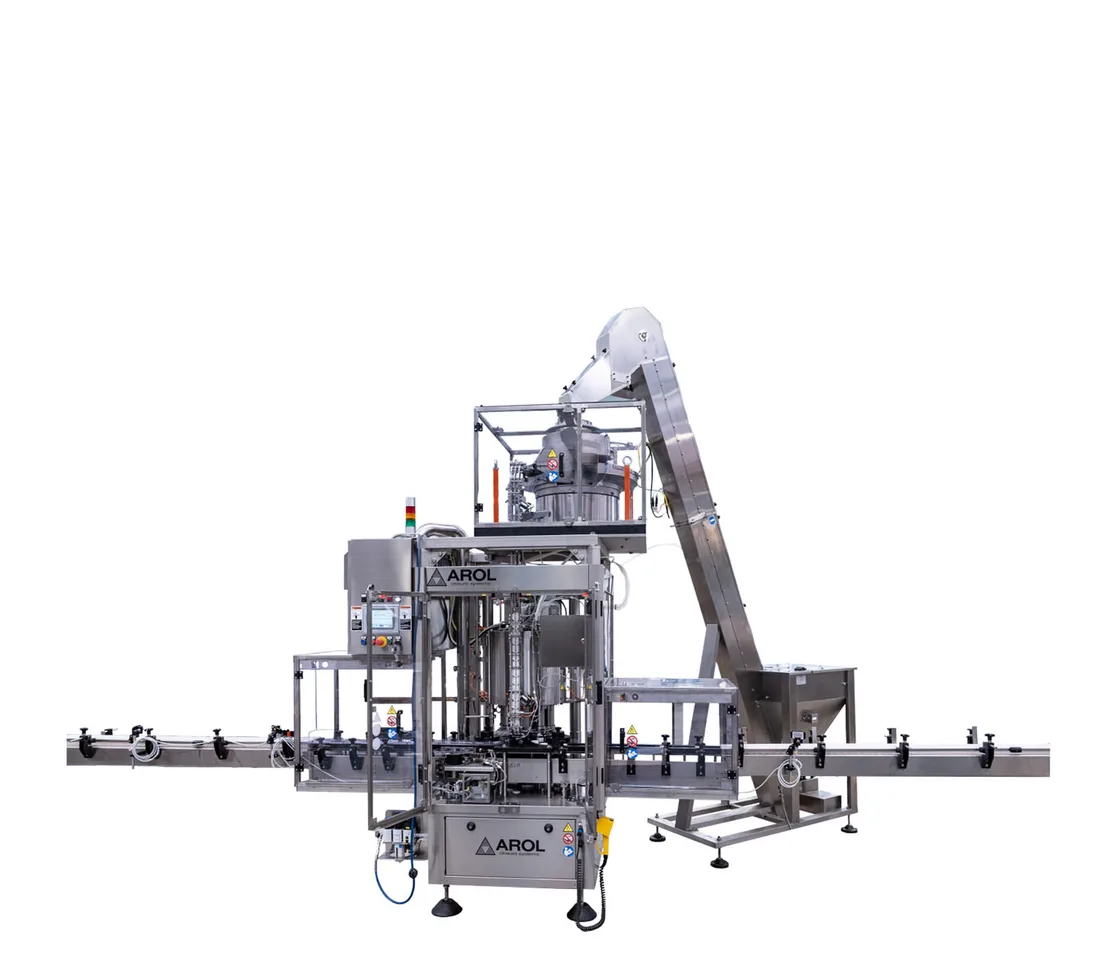
Arol Euro PP rotary capper with a cap elevator on one side
Arol Euro PP rotary capper with a cap elevator on one side · Source: Arol website ↗ · © the manufacturer, quoted for reference · Resized proportionally and converted to WebP
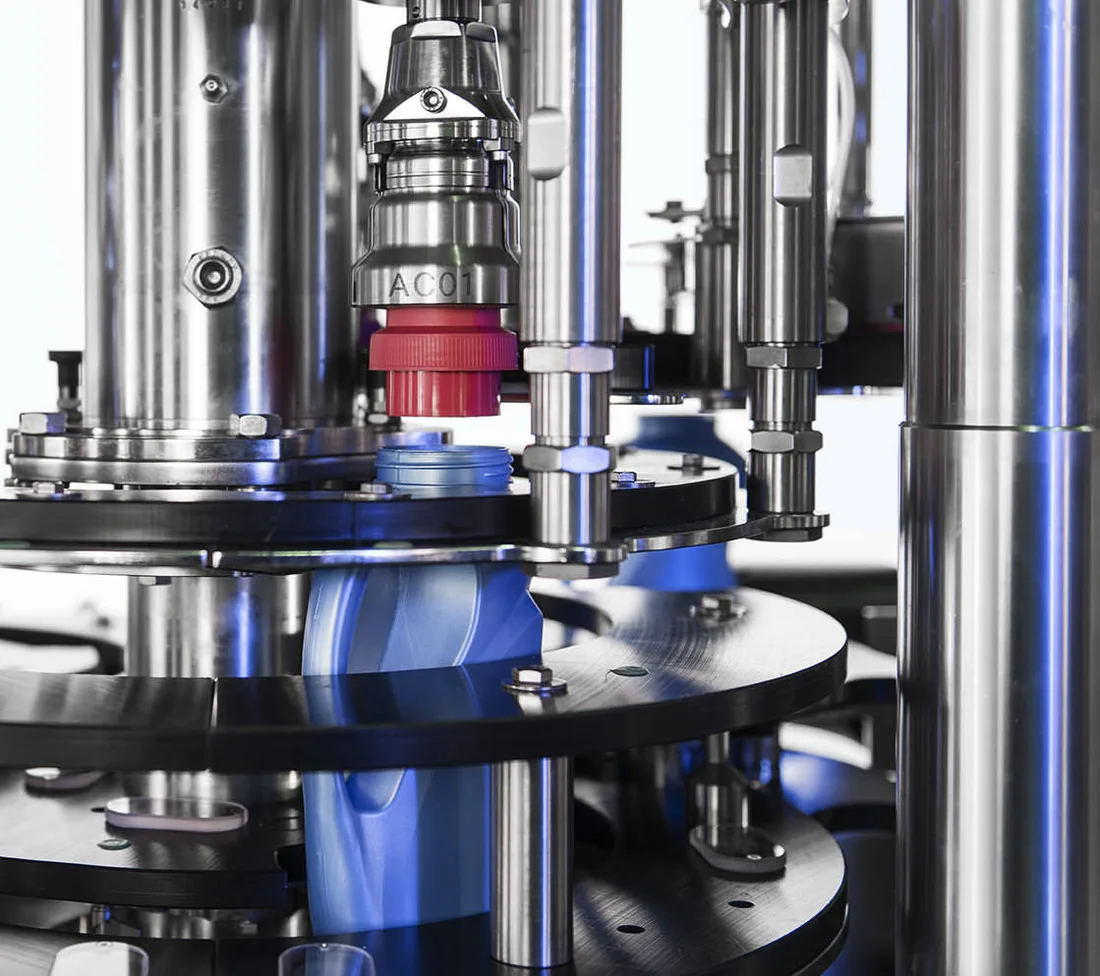
Arol Euro VP capping heads close-up: red chucks pressing caps onto bottles
Arol Euro VP capping heads close-up: red chucks pressing caps onto bottles · Source: Arol website ↗ · © the manufacturer, quoted for reference · Resized proportionally and converted to WebP

Functional modules

Loading and locating

Choose loading and locating methods to suit the workpiece shape, orientation and datums.

Main process

See the working principle below.

Unloading and handoff

Define the interface with downstream equipment.

Sensing and interlocks

Photoelectric sensing and protective functions.

Controls

PLC and motion control.

Main operation

Tightens screw caps or presses caps onto bottles.

Applications

Identify the material, size envelope and cycle time, then verify loading and locating conditions.

Working principle

Pick up and align the cap, then screw it on or press it into place. Check torque or installed height.

Motion and drives

Motion may be continuous or intermittent. The machine may use servo or variable-frequency drives, pneumatic or hydraulic actuators, or external robot axes.

Design inputs

  • Cap type
  • Torque acceptance criteria
  • Cycle time
  • Cap feeding

Design choices

  • Servo capping or magnetic clutch
  • Press-on or screw capping

Common pitfalls

  • Stripped or slipping threads went undetected
  • Cap feed jams

Handover checks

  • Torque sampling
  • Missing-cap detection
  • Guards
ONLY ON MECHWIKI / AGGREGATED

Aggregated references: models, makers, patents & videos

References scattered across model articles, vendor sites and patent databases, gathered under this machine. Checked items are listed; the rest are offered as ready-to-open searches.

Videos: see it run

No licensed video is hosted for this machine yet; these searches are pre-filled with its name.

3D MODELS

3D models and download information

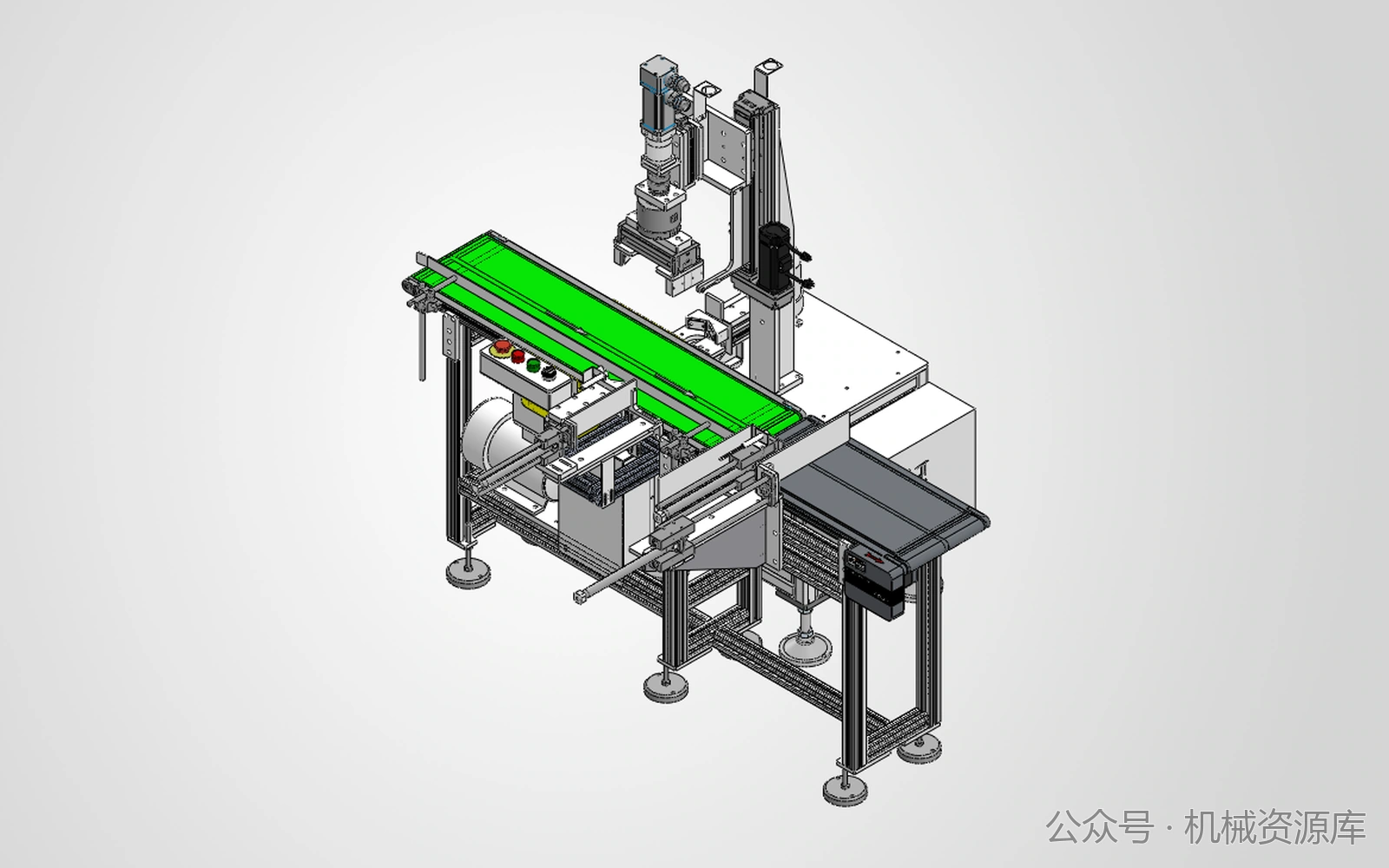
Explore structure and assembly with models. Download methods, file formats and terms are provided by the original article or mini program.
Find more in the model library →