

What it does
Temporarily stores parts or carriers between upstream and downstream stations so short cycle differences do not immediately stop the whole line.
How it works
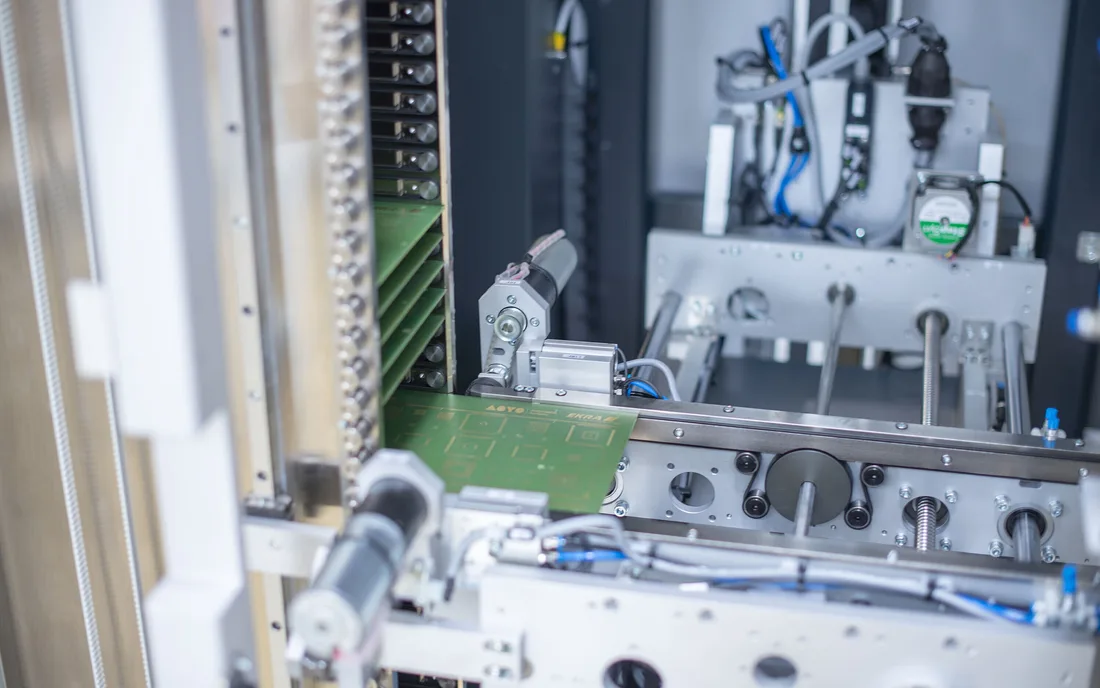
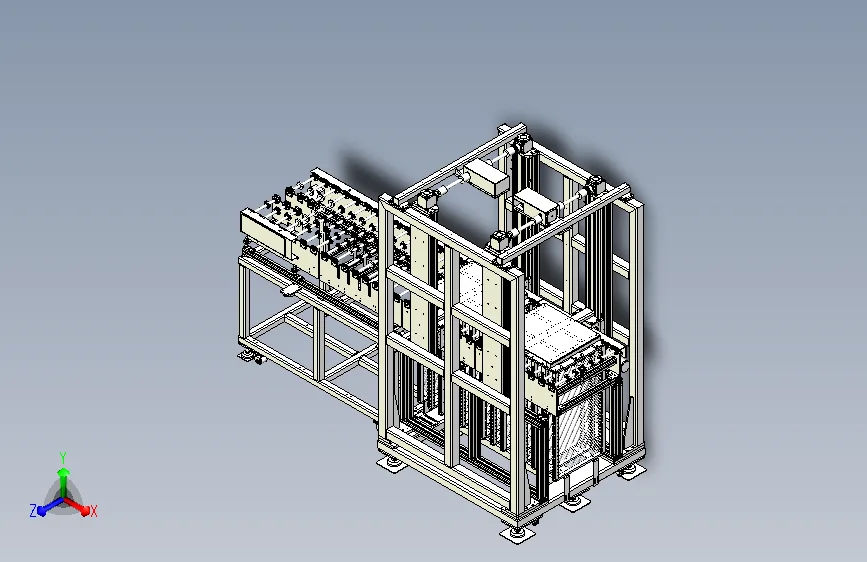
Taking a multi-level lifting magazine as an example, the control system records the occupancy of each level, the lift aligns the selected level with the fixed in/out height, and a pusher or conveyor completes the handover. Release order follows product traceability and process requirements, and ready-to-receive and ready-to-release states are signalled upstream and downstream.
Process sequence
- Receive the upstream request
- Confirm an available position
- Align the level and receive
- Store occupancy and identity
- Respond to the downstream request
- Discharge and update status
Key inputs
- Part shape and support faces
- Number of positions, allowable waiting time and first-in-first-out requirement
- Level alignment accuracy, full/empty sensing and power-loss recovery
Common problems
- Recorded position status not matching the actual parts
- Pushing before the level is aligned
- Feeding into a full magazine or exceeding dwell limits
Limits of application
- A buffer does not replace fixing faults in the main machines
- Buffering temperature-controlled, curing or time-limited materials must also meet the corresponding environment and dwell limits
Functional modules
Multi-level storage positions
Separate and support parts
Level-matching lift
Aligns the target level with the interface
In/out transfer
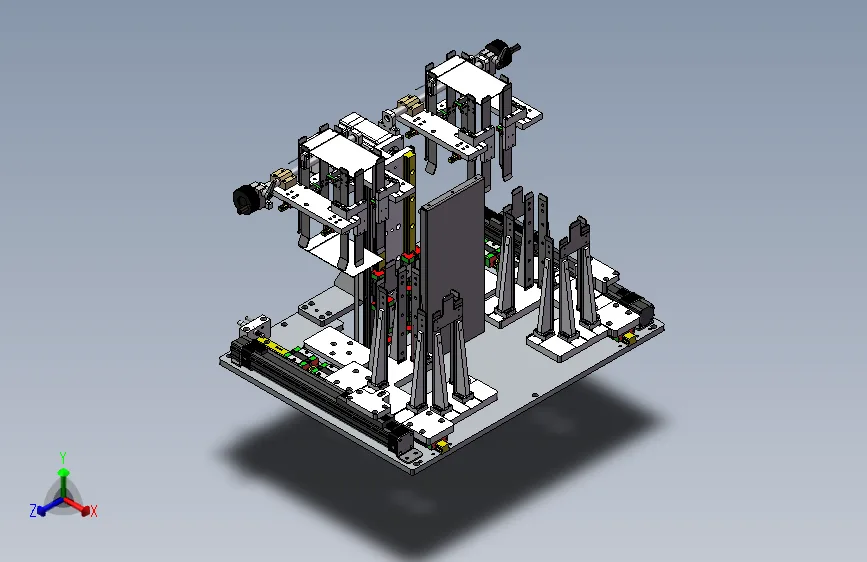
Moves parts in and out
Status management
Records full/empty and product sequence
Manufacturer & technical sources
Continue with manufacturer product pages, operating principles and technical information for this equipment type.