
What it does
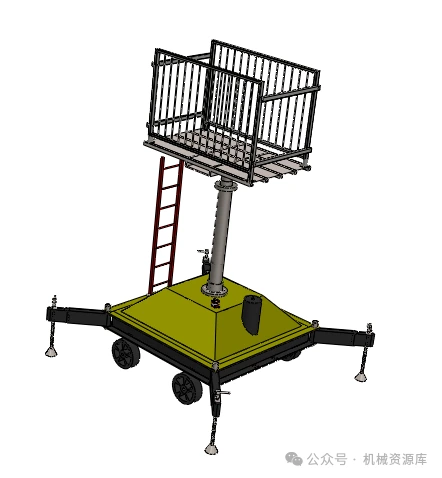
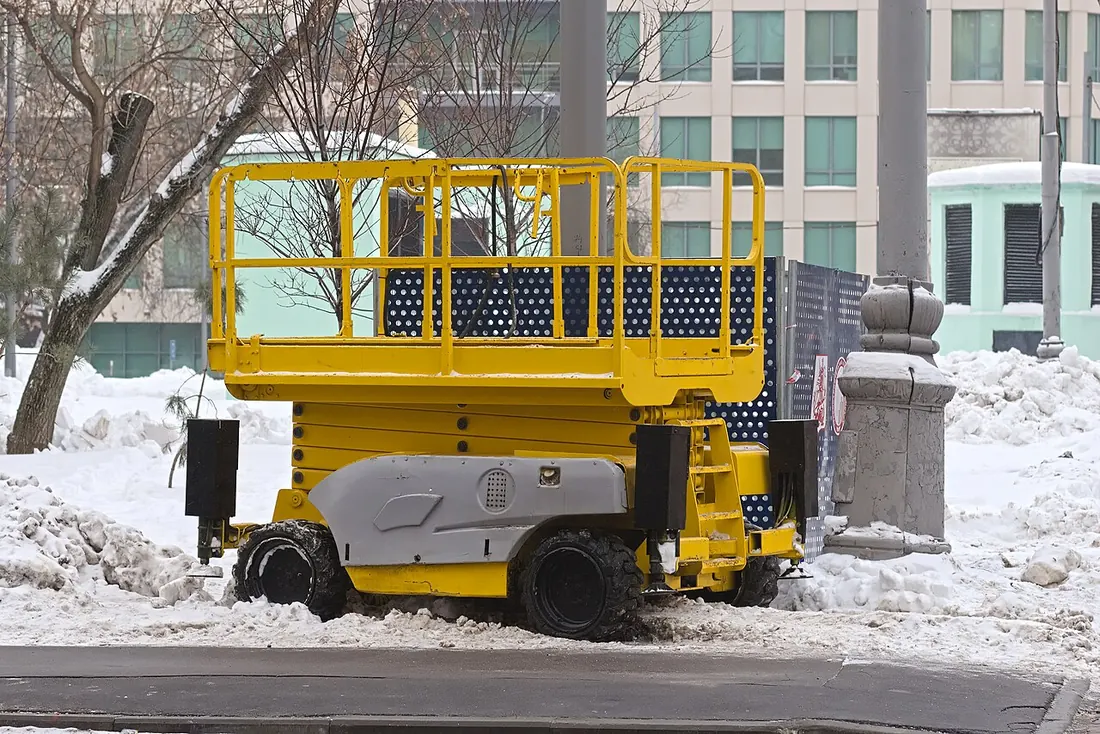
Brings people and tools to work positions at height, using different lift structures for straight-up reach or reaching over obstacles.
How it works
Scissor lifts mainly rise vertically as crossed links extend; boom lifts gain height and outreach by raising, telescoping or articulating, and slewing changes direction. Chassis and support conditions decide the usable envelope, and the platform stays level for work.
Process sequence
- Check the task and site
- Choose a suitable structure
- Position and check support
- Rise to the permitted work position
- Do the work
- Lower and move on
Key inputs
- Platform height and horizontal outreach
- People and tool load and platform size
- Ground slope, bearing capacity, access, wind and obstacles
Common problems
- Choosing by height alone and ignoring outreach
- Ground or load conditions not suitable
- Entrapment near structures, boom sweep or platform sway
Limits of application
- Telescopic, articulating, mast and scissor lifts have different reach envelopes
- Electric models may still use hydraulic actuators; electric drive does not mean all-electric lifting
Functional modules
Lift structure or boom
Produces vertical or extending motion
Work platform
Carries people and tools and gives work space
Travel and support
Set ground contact and stability
Control and protection
Manage motion, load and permitted states
Manufacturer & technical sources
Continue with manufacturer product pages, operating principles and technical information for this equipment type.